











The Real ROI of AI in Retail: What Actually Moves Margins
Retail AI discussions often focus on:
- Personalization
- Recommendations
- Automation
Yet many AI investments fail to move margins meaningfully.
Why?
Because ROI in retail AI is operational, not experiential.
Customers feel AI.
Margins feel systems.
Where Retail AI Actually Delivers ROI
1. Loss Prevention & Shrinkage Control
Even small shrinkage reductions outweigh gains from personalization.
Autonomous retail AI systems that model behavior-not just products-consistently outperform vision-only approaches.
2. Operational Throughput
AI that:
- Reduces checkout friction
- Improves staff allocation
- Anticipates congestion
…directly impacts revenue per square foot.
3. Inventory Intelligence
AI-driven forecasting reduces:
- Overstocks
- Stockouts
- Emergency logistics costs
These savings compound.
Where Retail AI Often Underperforms
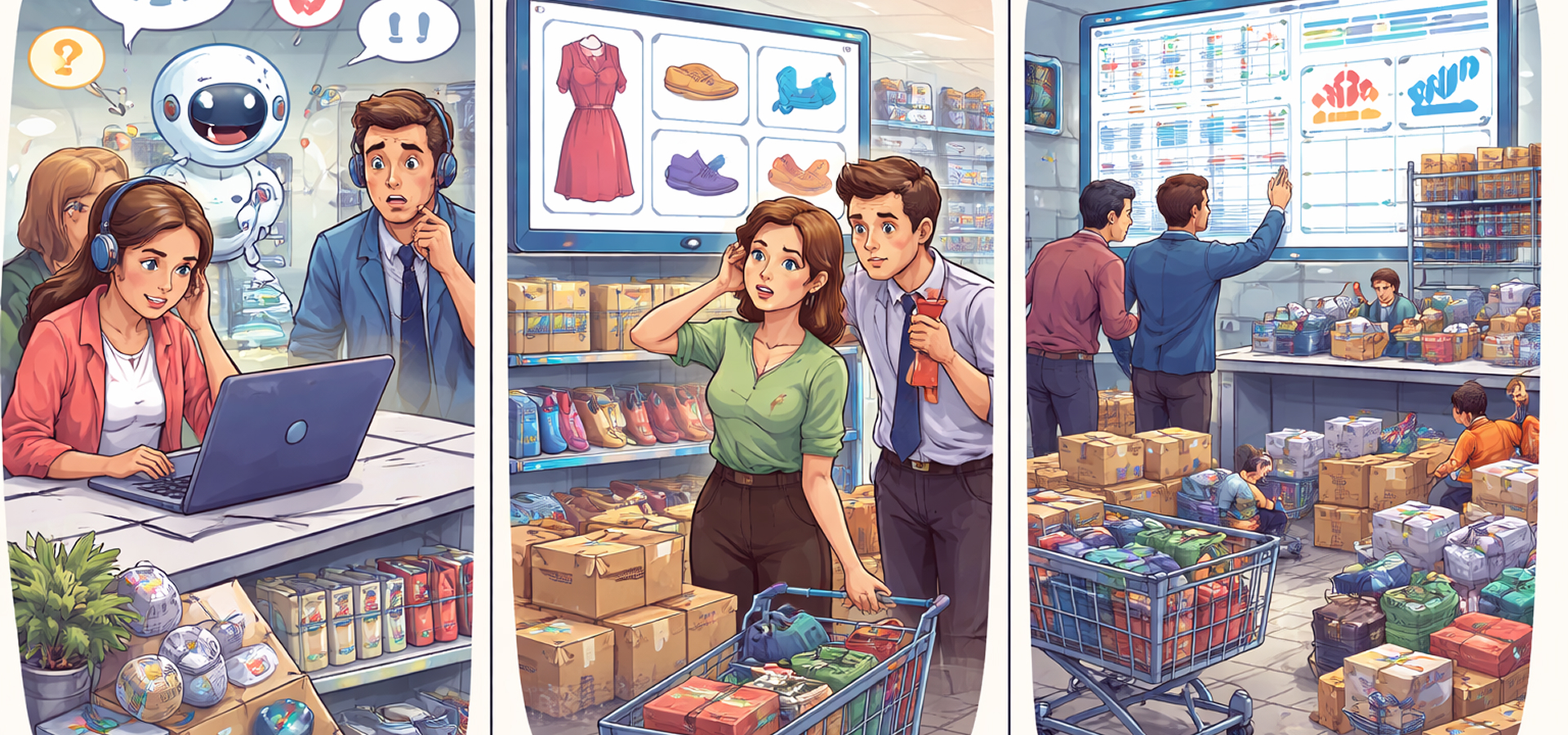
- Chatbots with low containment
- Recommendation engines without supply alignment
- Demand prediction without execution capability
These systems look impressive but rarely pay for themselves.
What High-ROI Retail AI Systems Have in Common
- Clear economic ownership per decision
- Integration with physical operations
- Feedback loops tied to cost metrics
Retail teams evaluating AI initiatives often map decisions to margin impact before scaling:
https://www.prologic-technologies.com/book-meeting/
Deployment Insight
In a mid-size retail network:
- Shrinkage stabilized
- Labor efficiency improved
- AI spend aligned with measurable gains
Because AI decisions were tied directly to financial outcomes.
The Retail AI Rule for 2026
If AI cannot explain how it improves margin, it will eventually be cut.
Retail leaders reassessing AI investments often start with ROI-focused architecture reviews:
https://www.prologic-technologies.com/request-quote/