












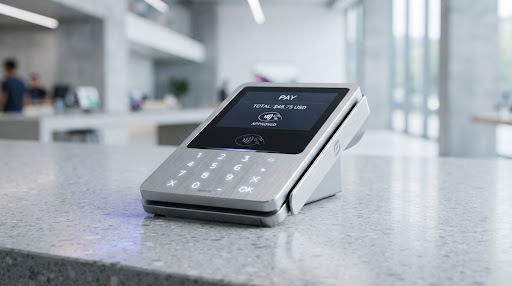

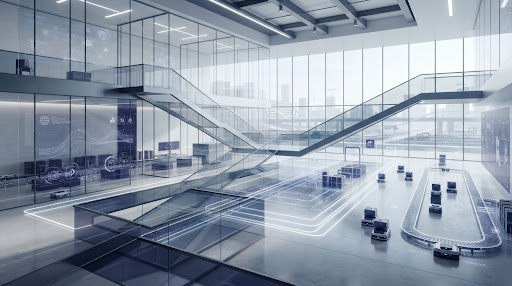

The Future Store Doesn’t Replace Staff. It Removes Friction.
Why the next generation of retail automation will augment people rather than eliminate them Retail has spent decades trying to make the stor...
Amidst fast changing retail, rising labor costs and shrinking profit margins, just digitizing your stores won't work.
Winning retailers are building autonomous retail experiences powered by AI, computer vision and real-time store intelligence
- leading to faster checkouts
- personalized shopping experiences.
ProRetail Grid helps retailers transform traditional stores into intelligent, connected and autonomous retail environments that improve customer experience while reducing operational complexity.
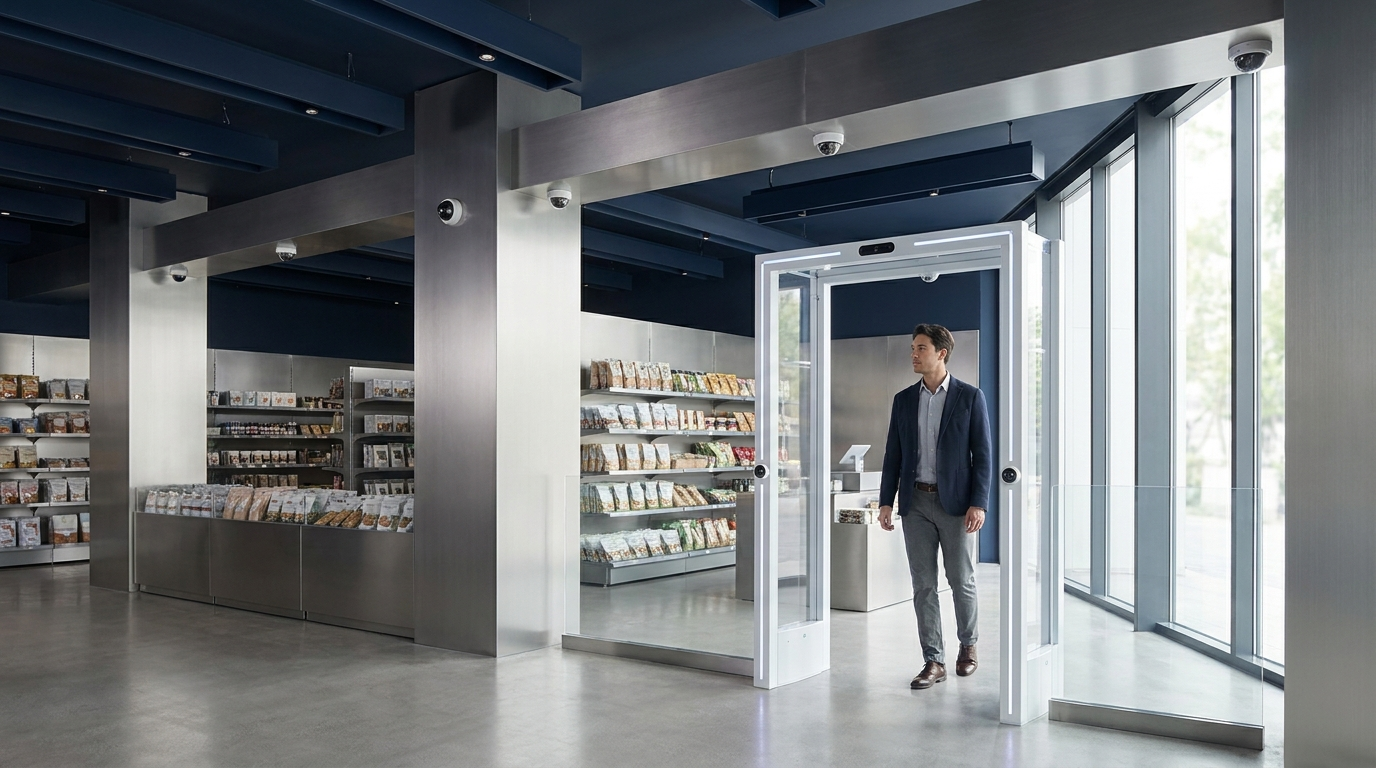
Retail has become one of the most operationally complex industries. Customers expect Amazon-like convenience inside physical stores.
Store associates are expected to do more with fewer resources.
Every operational inefficiency quietly erodes profitability.
The future of retail isn't about hiring more people.
It's about building stores that think for themselves.
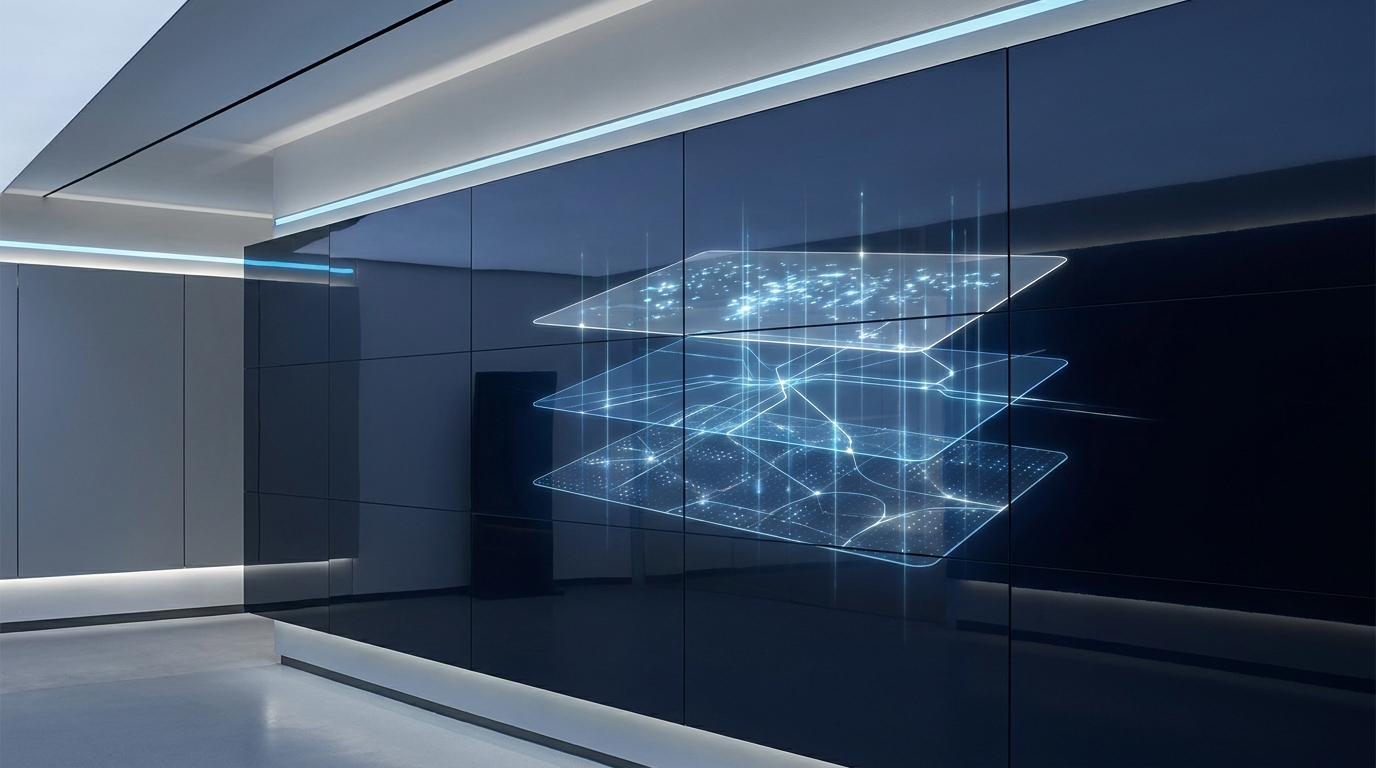
> Customers walk in and checkout without waiting.
> Shelves automatically report inventory shortages.
> Smart carts recommend complementary products.
> Store managers receive alerts before shelves become empty.
> Computer vision detects misplaced products instantly.
> Store analytics identify traffic bottlenecks in real time.
Operations become proactive instead of reactive.
This isn't a concept
- It's what autonomous retail looks like.
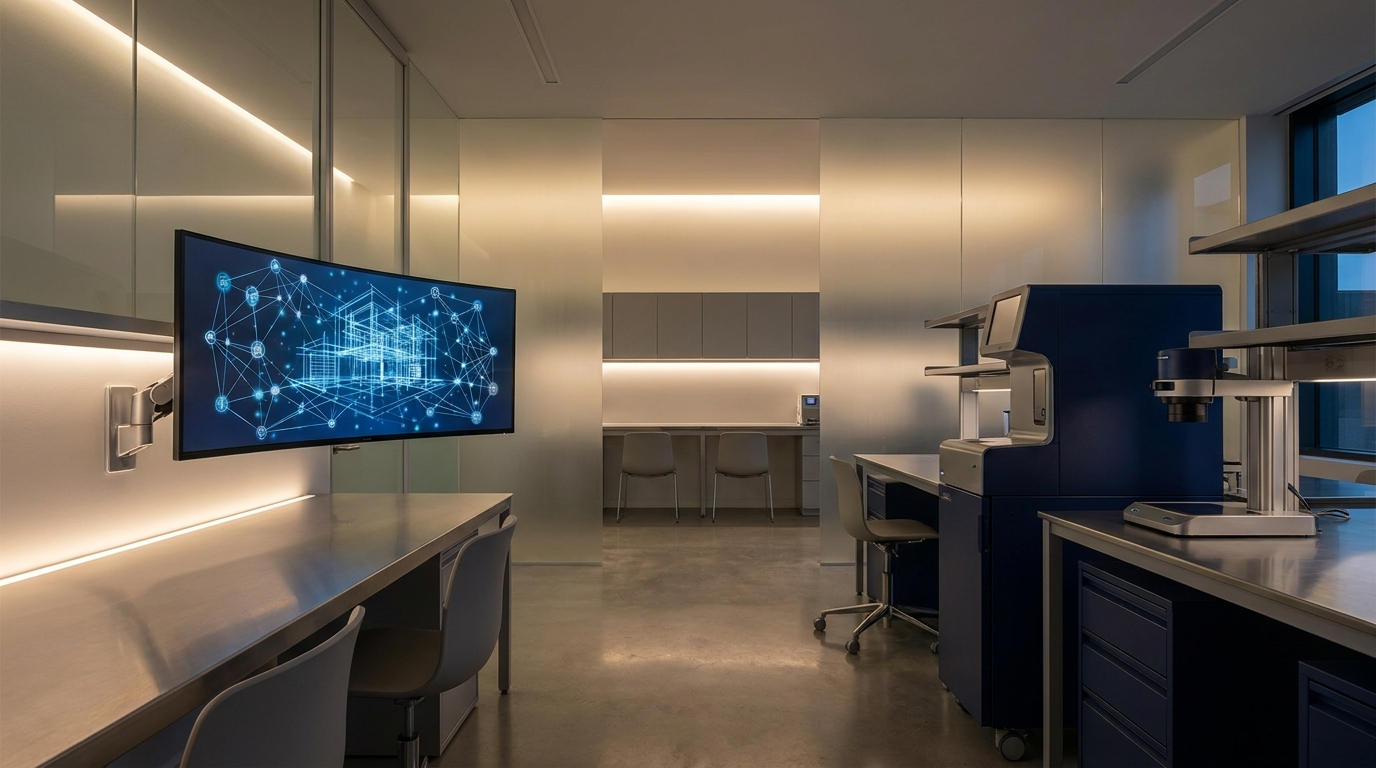






ProRetail Grid is an AI-powered autonomous retail platform that connects computer vision, smart devices, retail analytics and automation into one intelligent operating system for modern retail.
Instead of deploying disconnected retail technologies, retailers gain one extensible platform that continuously monitors, analyzes and optimizes store operations.
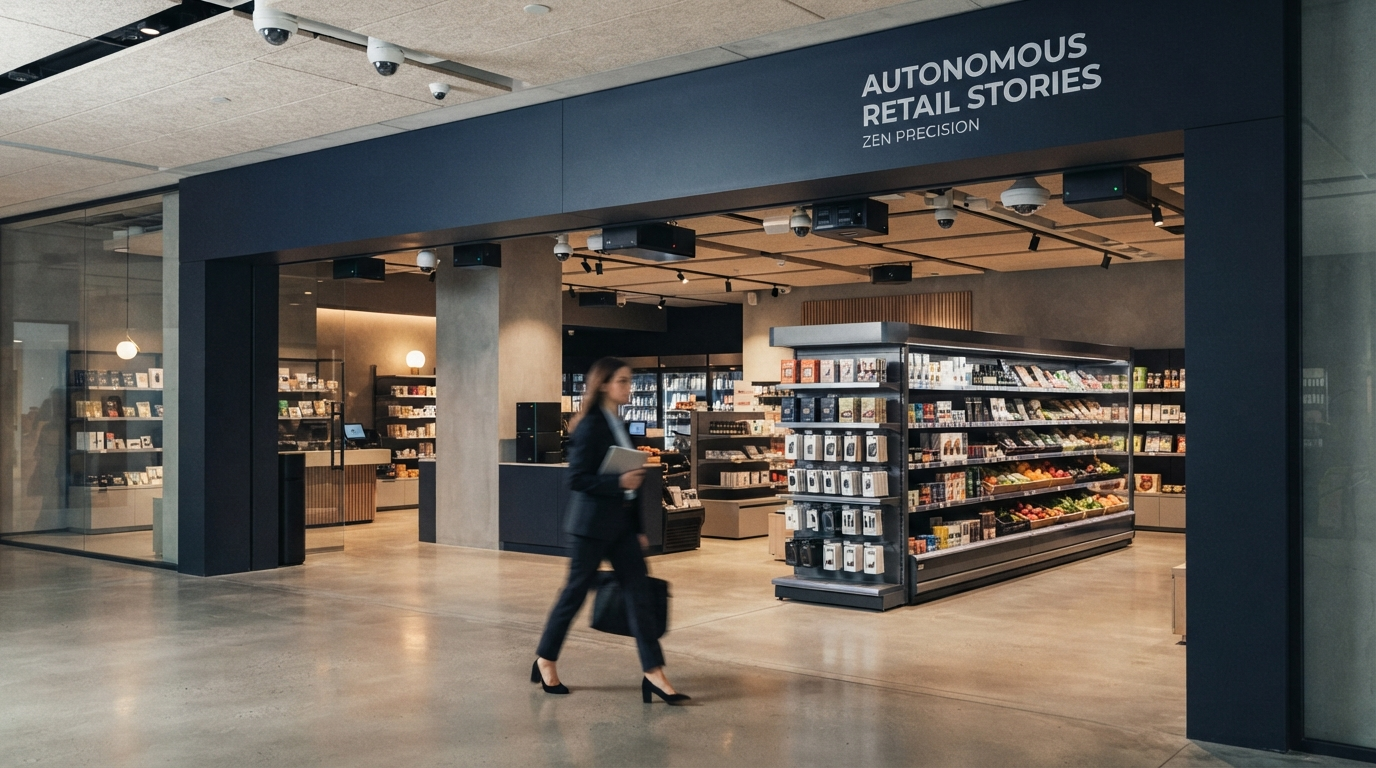
A continuous, synchronized journey through the autonomous retail landscape. Precision at every step.
Customer Enters
Smart Cart
Shelf Intelligence
Product Recognition
Real-time
Inventory
Computer Vision
Personalized Offers
Personalized Offers
Autonomous Checkout
POS Synchronization
Retail Analytics
Store Optimization
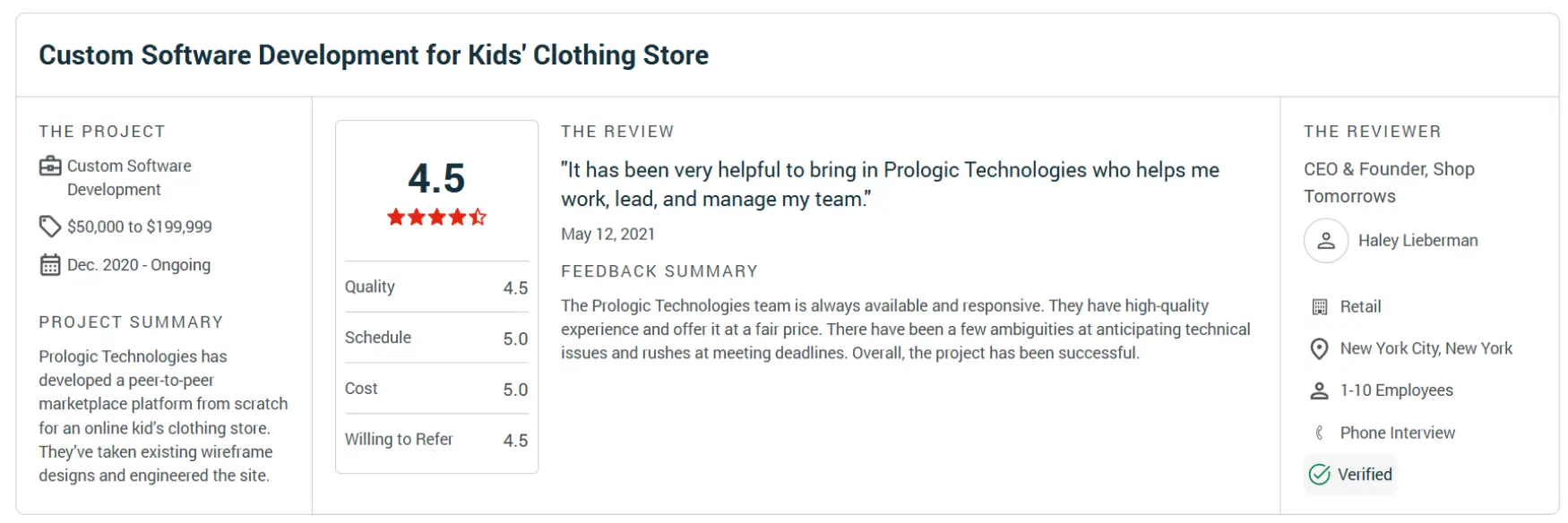
It has been very helpful to bring in Prologic Technologies who helps me work, lead, and manage my team.
They have high-quality experience and offer it at a fair price.

I honestly believe that I would not be in the business I'm in today had I not met Prologic Technologies.

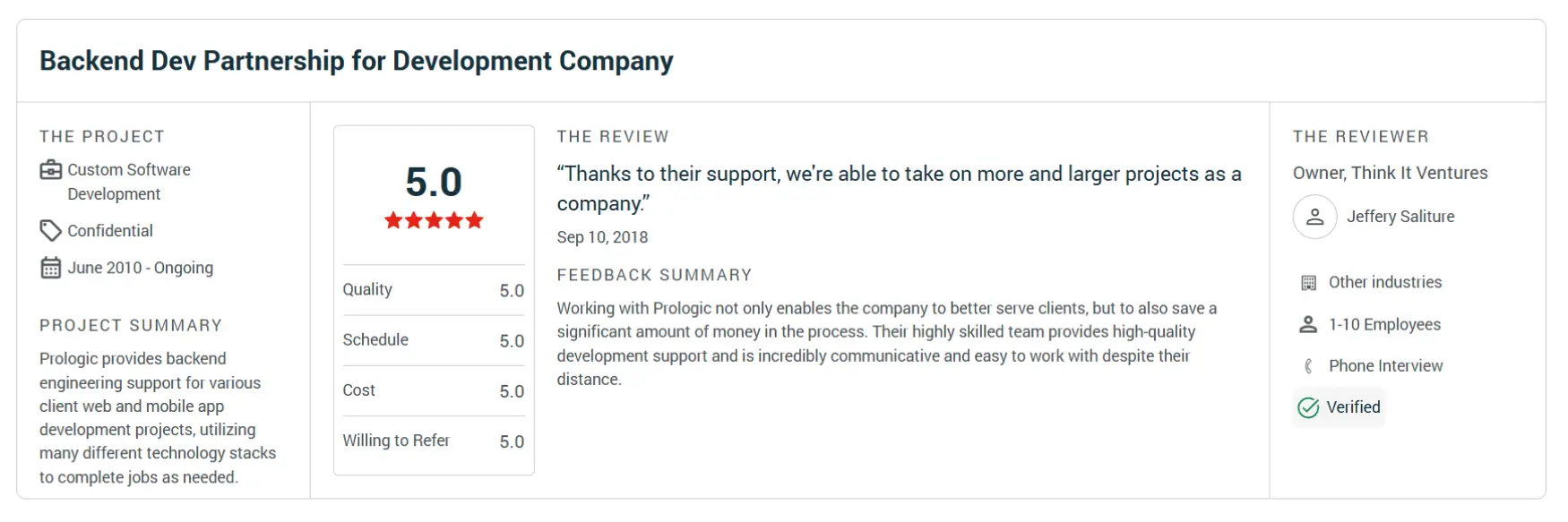
Working with Prologic Technologies has been a pleasure. Their team was very responsive to our requests and their level of professionalism matched ours very well.
I would recommend them for similar work and would use them for different types of work as well. They helped us from concept to implementation, to rollout.

Engineering excellence meets operational reality.
Explore how our partners leverage computer vision and autonomous logic to redefine the physical commerce experience.

Eliminated peak-hour friction by deploying autonomous checkout and AI-powered product recognition.
Long checkout queues during peak hours were reducing customer satisfaction and increasing cart abandonment.
Implemented autonomous checkout, AI-powered product recognition and real-time POS synchronization.

A unified, cloud-connected platform engineered to synchronize inventory, POS, and logistics across hundreds of locations.
Manual inventory counts and delayed replenishment resulted in frequent stockouts and lost sales.
Deployed smart shelves, RFID orchestration and AI-powered inventory monitoring across multiple stores.
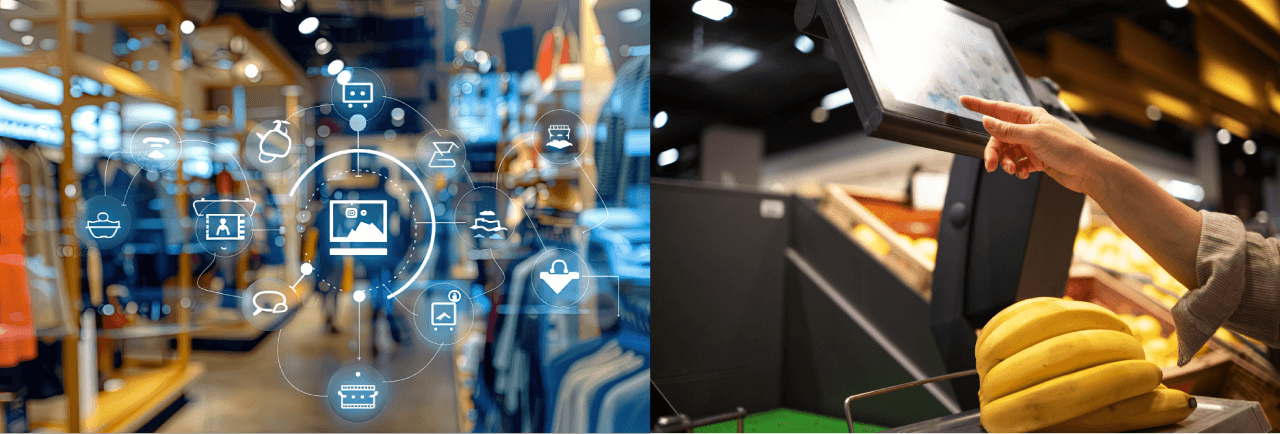
A friction-free shopping ecosystem tailored for modern campuses using autonomous checkout and AI-driven insights.
Provide a frictionless shopping experience with minimal staffing.
Integrated smart kiosks, computer vision and autonomous checkout.
60%
Faster Checkout35%
Higher Throughput45%
Faster Inventory ReplenishmentLower Operational Costs
Reduced Shrinkage
Improved Basket Value
Higher Customer Satisfaction
Real-time Store Visibility
Built by Engineers Who Understand Retail Operations
Computer Vision
Edge AI
Smart Carts
Smart Shelves
RFID
POS Integration
Store Analytics
IoT Sensors
Cloud Platform
Micro Services
Mobile Devices
Predictive Inventory
Operational Dashboards
- For Customers
- For Employees
- For Operations
Whether you're modernizing supermarket chains, convenience stores, airports, campuses or next-generation retail concepts, ProRetail Grid helps you build intelligent stores that operate faster, smarter and more efficiently.
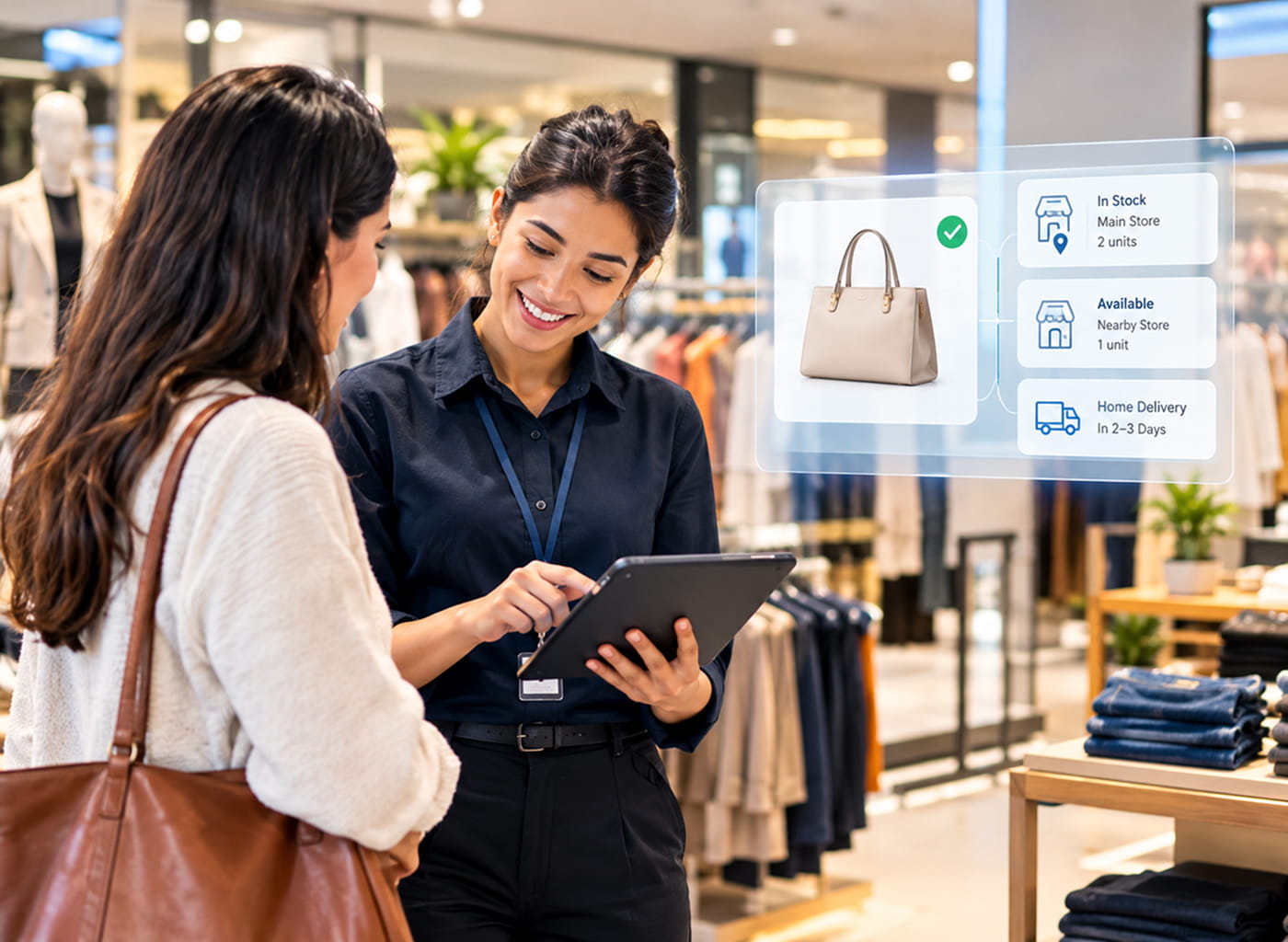
Why the next generation of retail automation will augment people rather than eliminate them Retail has spent decades trying to make the stor...
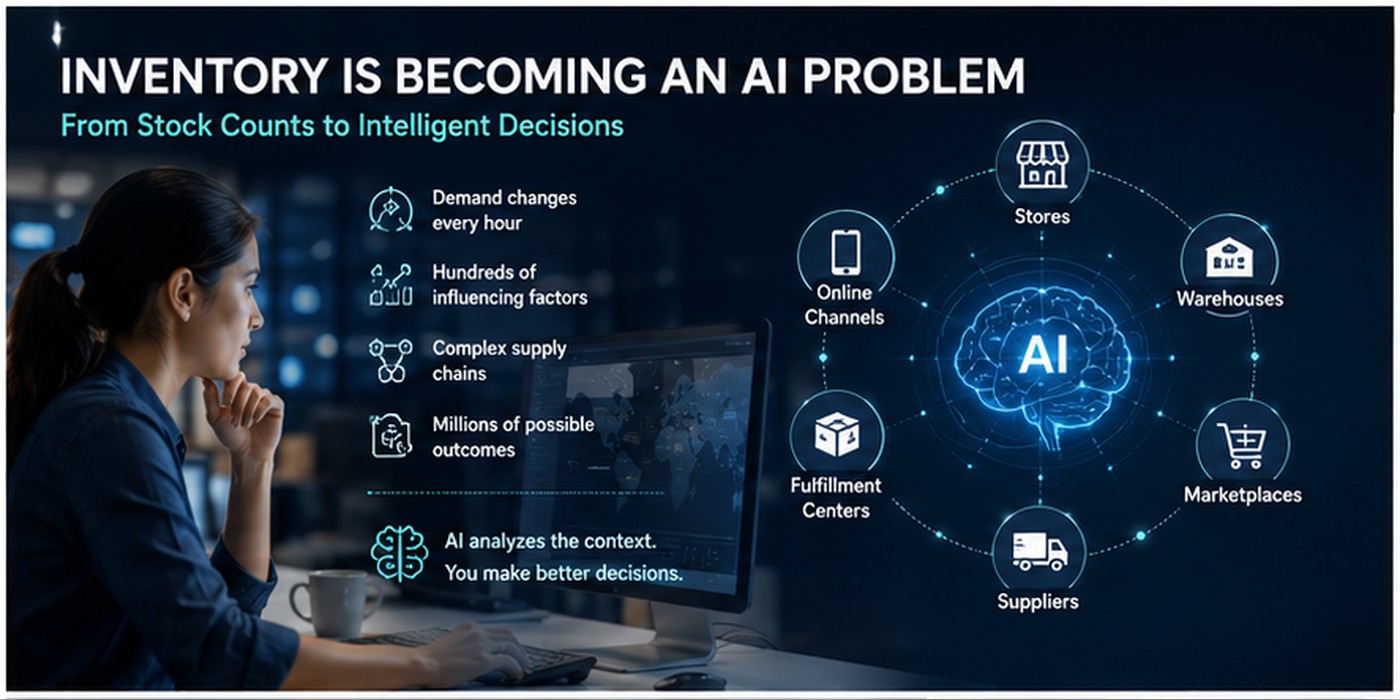
Why the Future of Retail Depends Less on Stock Counts and More on Intelligent Decisions Executive Summary For decades, inventory management...
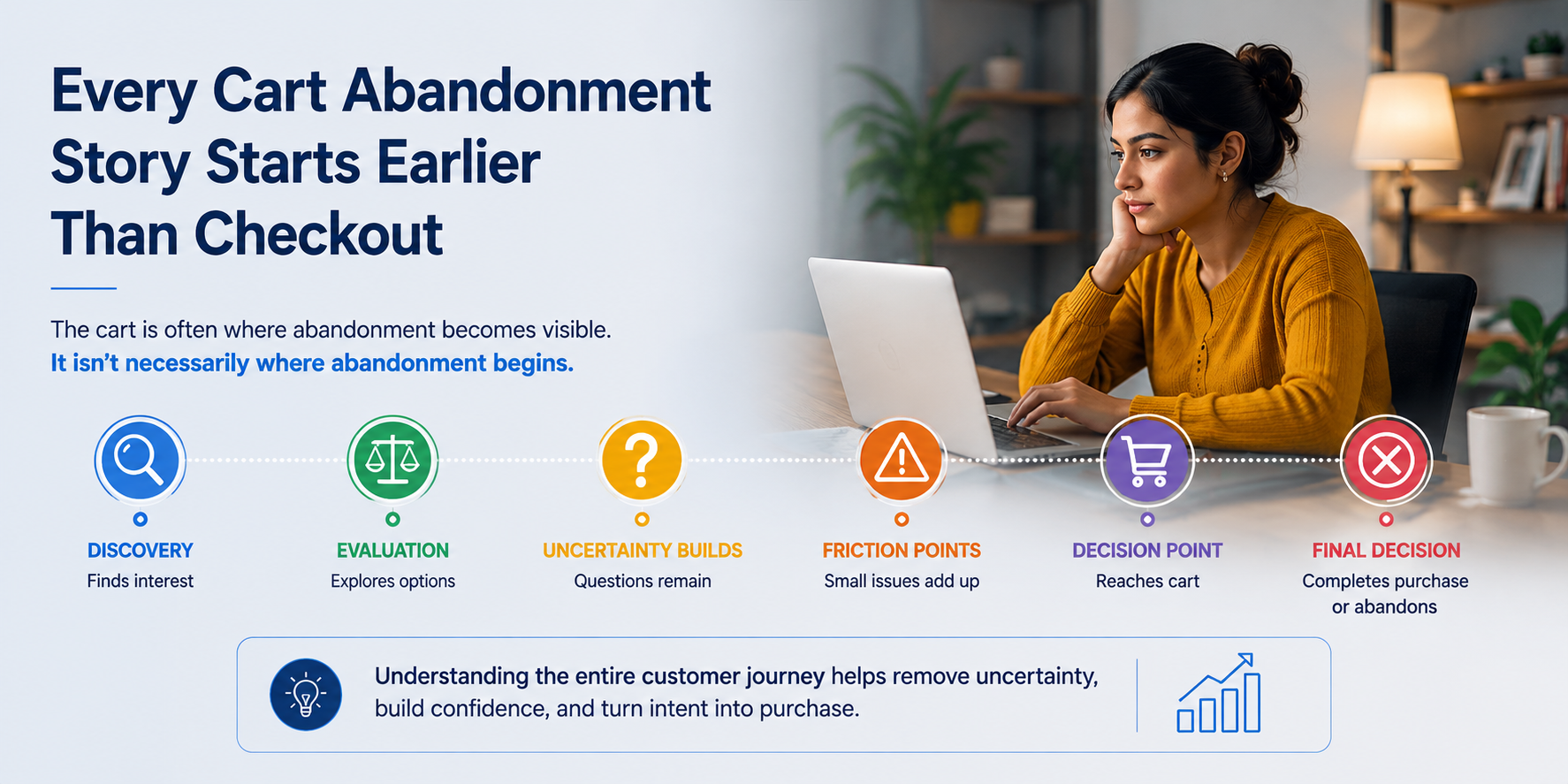
Why retailers should stop treating the cart as the problem There is a familiar conversation in eCommerce. The conversion rate has dropped. T...
