









Why Agentic AI Will Redefine Regulatory Healthcare Software by 2027
Healthcare AI is entering a new phase.
Not smarter models-more autonomous systems.
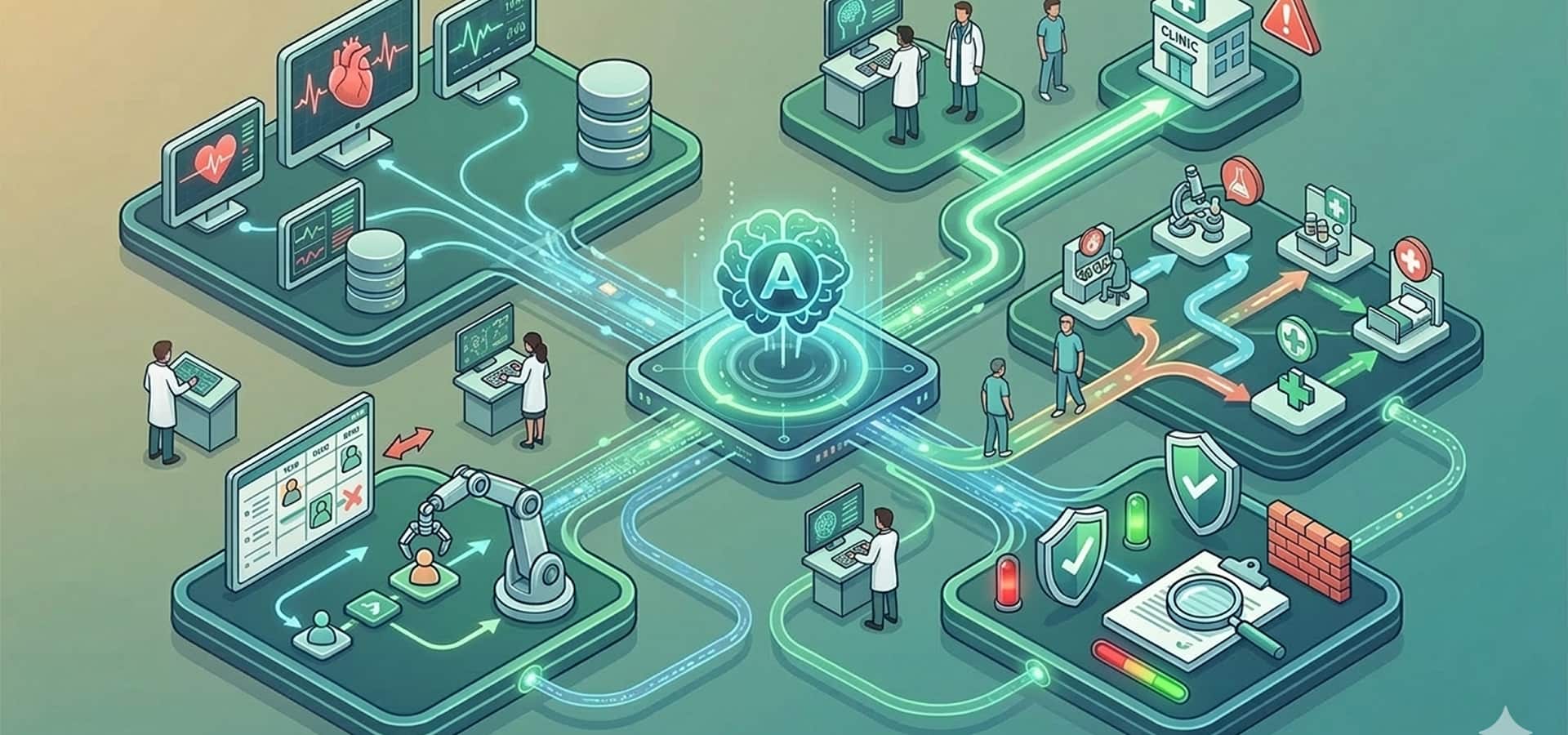
Agentic AI systems don’t just predict or recommend. They:
- Initiate actions
- Coordinate workflows
- Resolve conflicts across systems
In regulated healthcare, this shift will be profound-and dangerous if engineered poorly.
By 2027, healthcare platforms that fail to prepare for agentic behavior under regulation will face operational and compliance breakdowns.
Autonomy without governance is liability, not intelligence.
What Makes Agentic AI Different in Healthcare
Traditional AI:
- Reacts to input
- Outputs recommendations
- Waits for humans
Agentic AI:
- Monitors system state continuously
- Decides when to act
- Orchestrates across modules
In healthcare software development, this means AI agents can:
- Trigger care escalations
- Re-route patient workflows
- Enforce compliance logic dynamically
That power demands new architectural safeguards.
Where Agentic AI Adds Real Value
1. Adaptive Care Coordination
Agentic systems manage:
- Appointment flows
- Care transitions
- Provider availability
They respond in real time when constraints change-something static workflows cannot handle.
2. Dynamic Compliance Enforcement
Instead of hard-coded rules, agentic AI:
- Interprets policy updates
- Adjusts access logic
- Flags risky actions proactively
This transforms HIPAA Secure Custom Software Solutions from static systems into living compliance frameworks.
The Hidden Risks Most Teams Miss
⚠️ Accountability Gaps
When AI initiates actions:
- Who is responsible?
- Who can override?
- Who audits intent?
Without explicit accountability design, audits will fail.
⚠️ Consent Drift
Agentic systems must continuously re-evaluate:
- Patient consent
- Context
- Purpose limitation
Static consent checks are insufficient.
What Audit-Ready Agentic Healthcare Systems Require
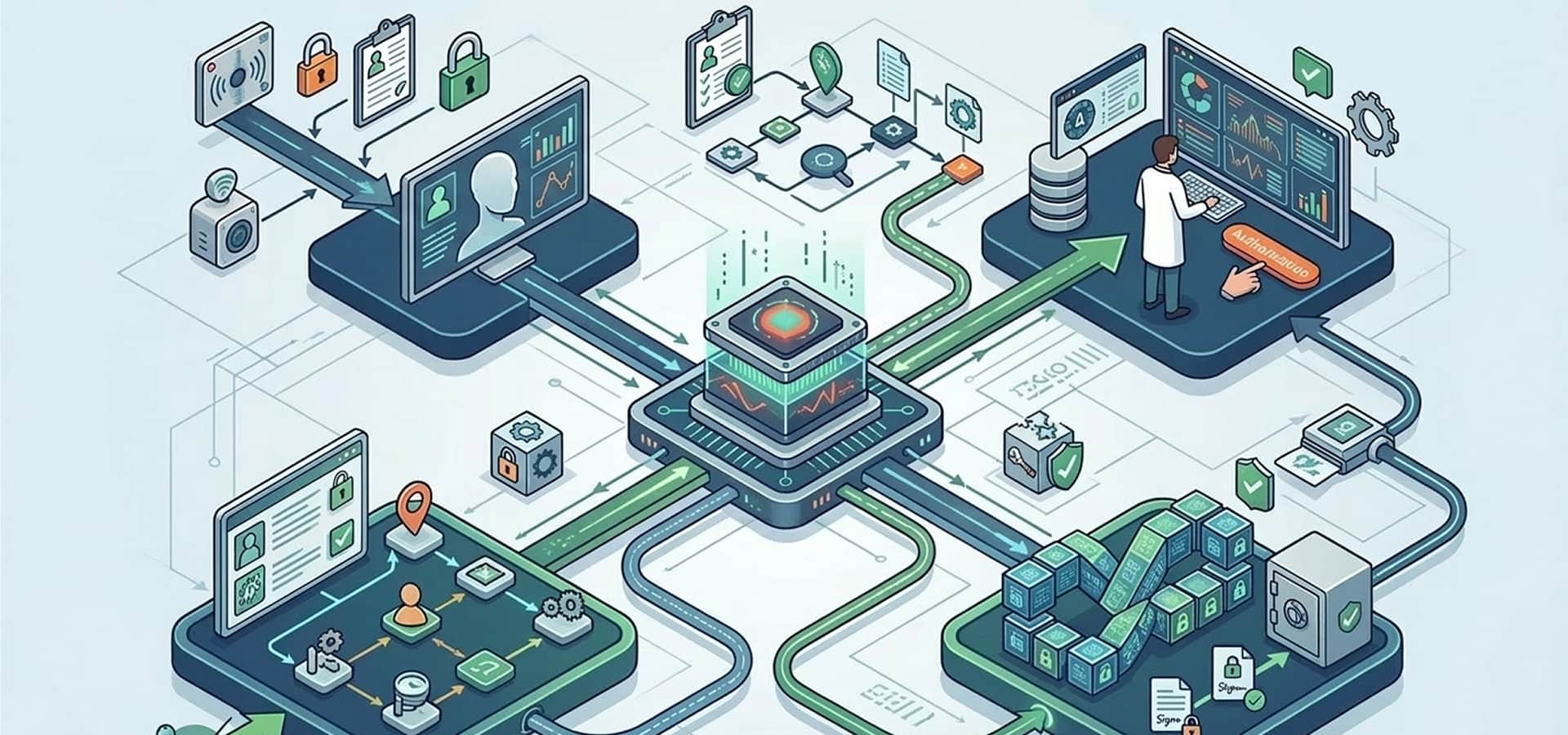
- Explicit action boundaries
- Human-in-the-loop escalation paths
- Explainable intent modeling
- Immutable action logs
This is where custom healthcare solutions outperform off-the-shelf platforms.
Organizations exploring agentic healthcare AI often begin with architecture reviews before committing to build paths:
https://www.prologic-technologies.com/book-meeting-healthcare/
Deployment Insight
In a regulated digital health platform:
- Agentic workflows reduced manual coordination overhead
- Compliance incidents declined
- Audit preparation time dropped significantly
Because autonomy was engineered with restraint.
What Healthcare Leaders Should Prepare For Now
- Agentic AI is inevitable
- Regulation will tighten, not loosen
- Governance will matter more than accuracy
The future of AI-driven Healthtech solutions belongs to systems that know when not to act.
Healthcare teams planning next-generation platforms often evaluate agentic readiness alongside compliance architecture:
https://www.prologic-technologies.com/request-quote-healthcare/