








The Biggest Misunderstanding About ABHA
Why Digital Identity Alone Doesn't Create Connected Healthcare Executive Summary When people first hear about the Ayushman Bharat Health Acc...
Healthcare systems are becoming increasingly digital, but digital systems alone do not create connected healthcare. FHIR provides a practical foundation for secure, consistent and standardized exchange of healthcare information across hospitals, laboratories, pharmacies, patient applications and AI-enabled platforms.
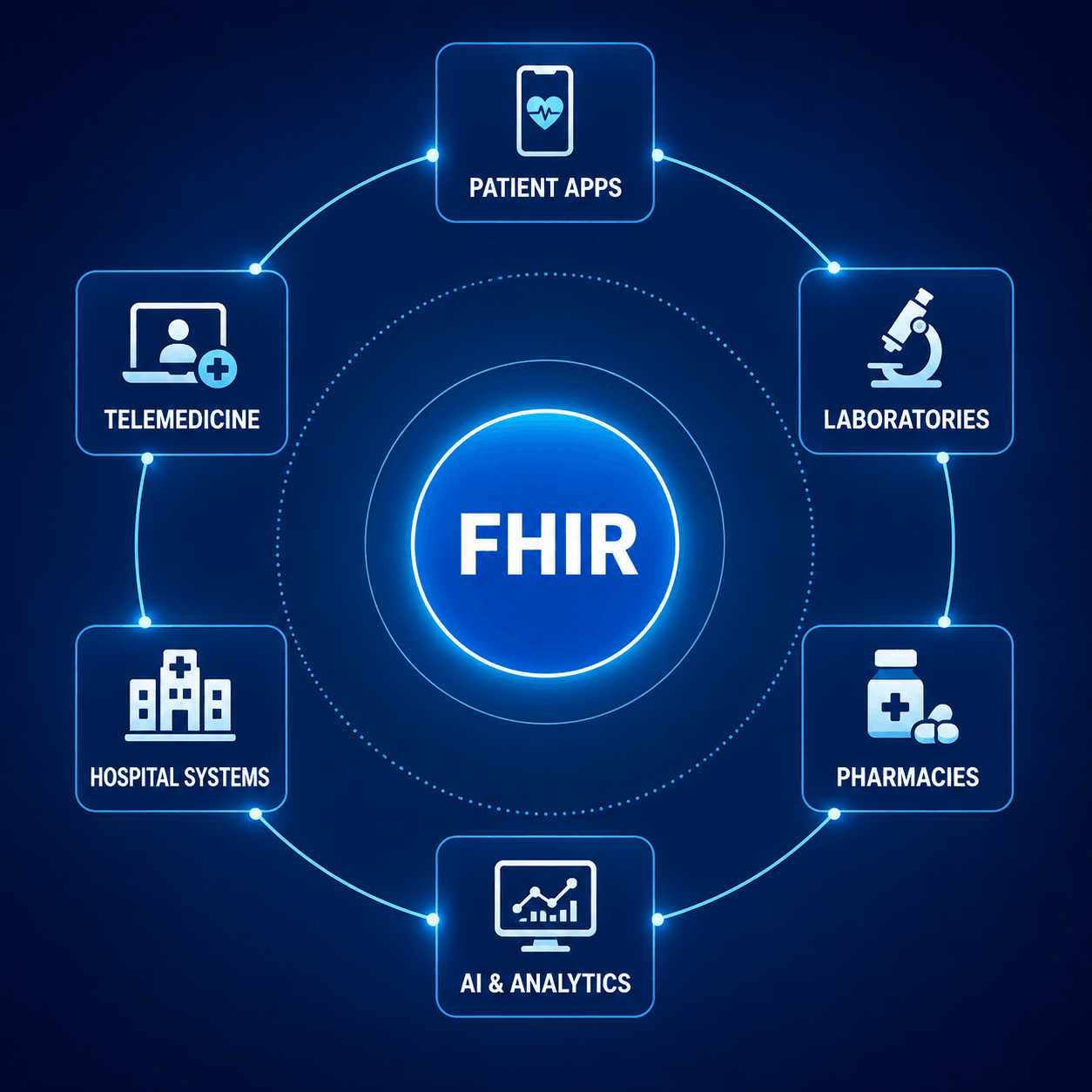
FHIR helps healthcare applications exchange structured information through standardized resources, APIs and implementation patterns.
Healthcare organizations have invested heavily in digital systems, yet many applications still operate in isolation. Patient information may exist across EHRs, laboratory systems, pharmacy platforms, diagnostic systems, telemedicine applications and public health services.
FHIR creates a practical foundation for connecting these environments through a common language for healthcare information exchange.
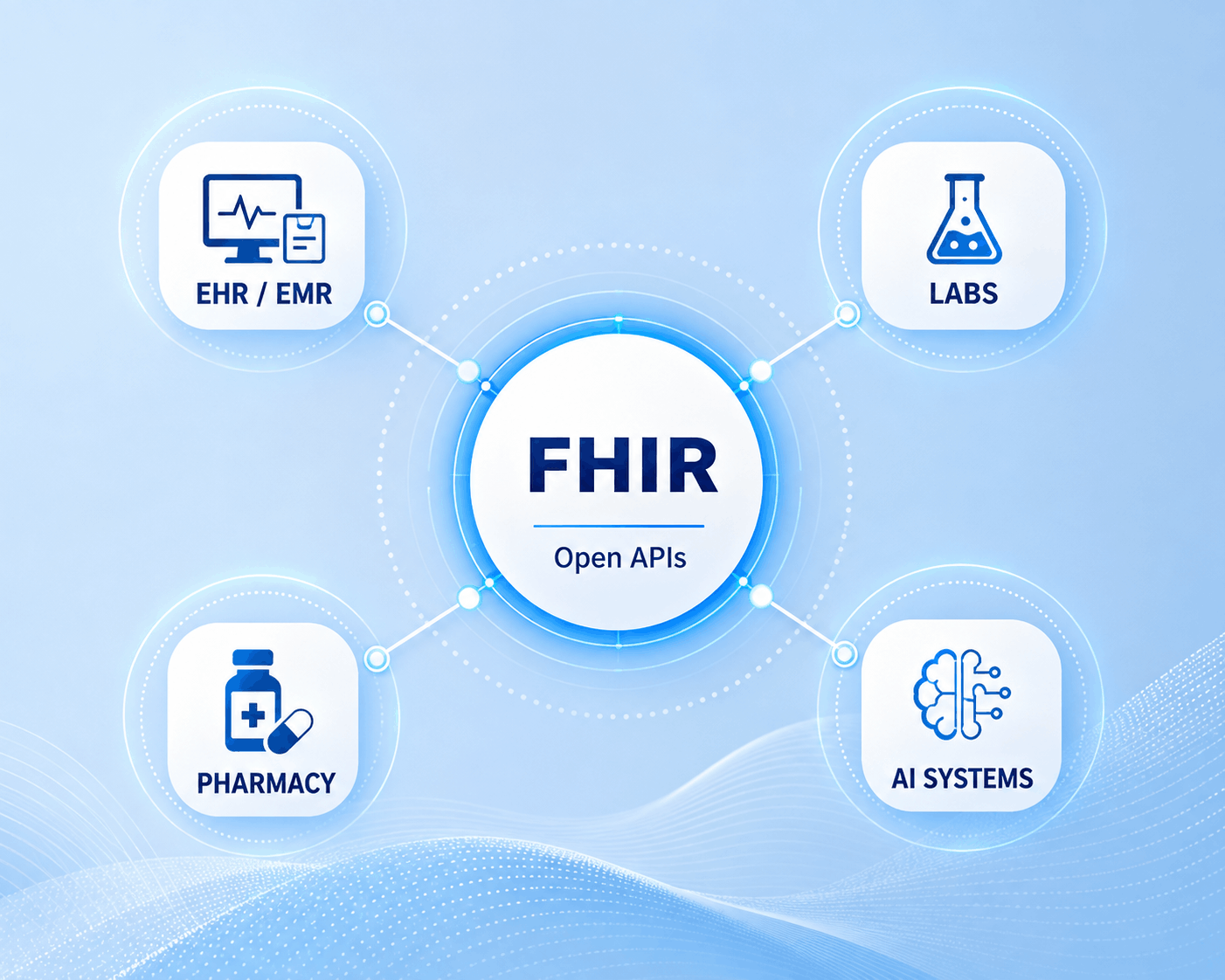
Start with the fundamentals, understand how FHIR fits into the broader interoperability landscape, and explore how it enables modern healthcare applications.
Digital Transformation Leaders
Chief Technology Officers
Enterprise Architects
VP of Engineering
Product Strategists
This guide takes you through three connected chapters. Start with the fundamentals, understand how FHIR fits into the broader interoperability landscape, and then explore how it enables modern healthcare applications, AI and digital health ecosystems.
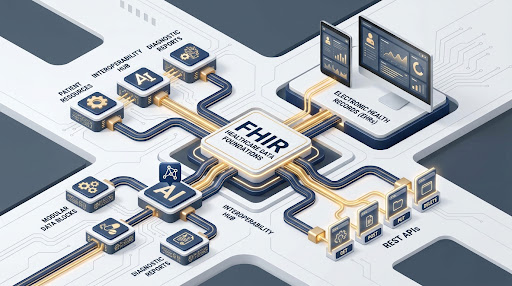
Start with the fundamentals of FHIR and understand why it has become an important standard for modern healthcare interoperability.
“Establishes the foundation needed to understand how applications communicate using standardized structures and APIs.”
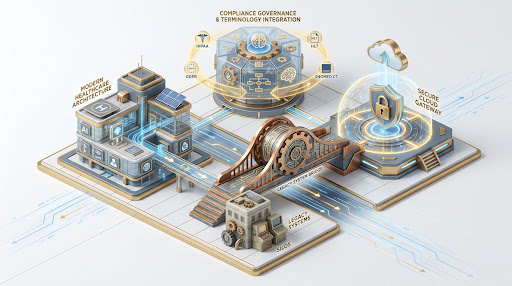
Once the fundamentals are clear, understand where FHIR fits alongside existing standards, EHR systems, and enterprise governance.
“The focus is not simply on adopting FHIR APIs, but on understanding FHIR as part of a broader interoperability strategy.”
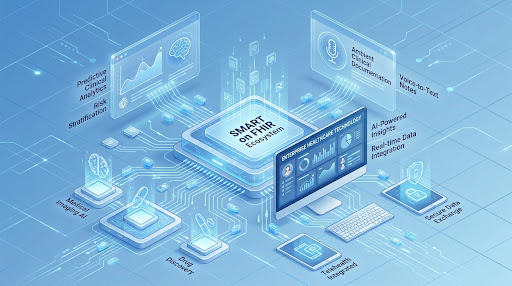
The final chapter moves from interoperability concepts to real-world healthcare innovation, AI ecosystems, and connected clinical platforms.
“Explains why FHIR alone is not enough for AI -standardized data, governance, cybersecurity, and platform architecture deliver true clinical value.”
From foundations to innovation
By exploring all three chapters, readers gain a clear understanding of how FHIR fits into the larger healthcare technology landscape.
01
02
03
04
05
Explore the complete executive guide and understand how standardized APIs, governed data and interoperability architecture support connected healthcare.
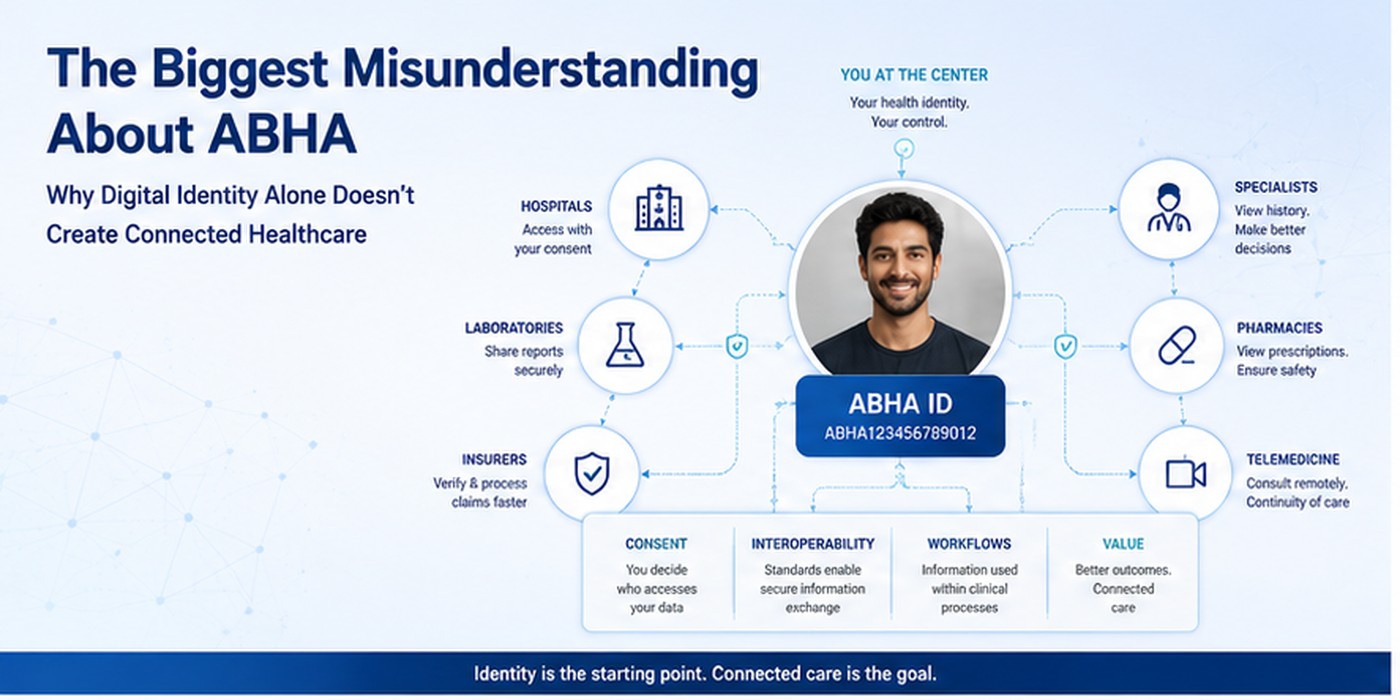
Why Digital Identity Alone Doesn't Create Connected Healthcare Executive Summary When people first hear about the Ayushman Bharat Health Acc...
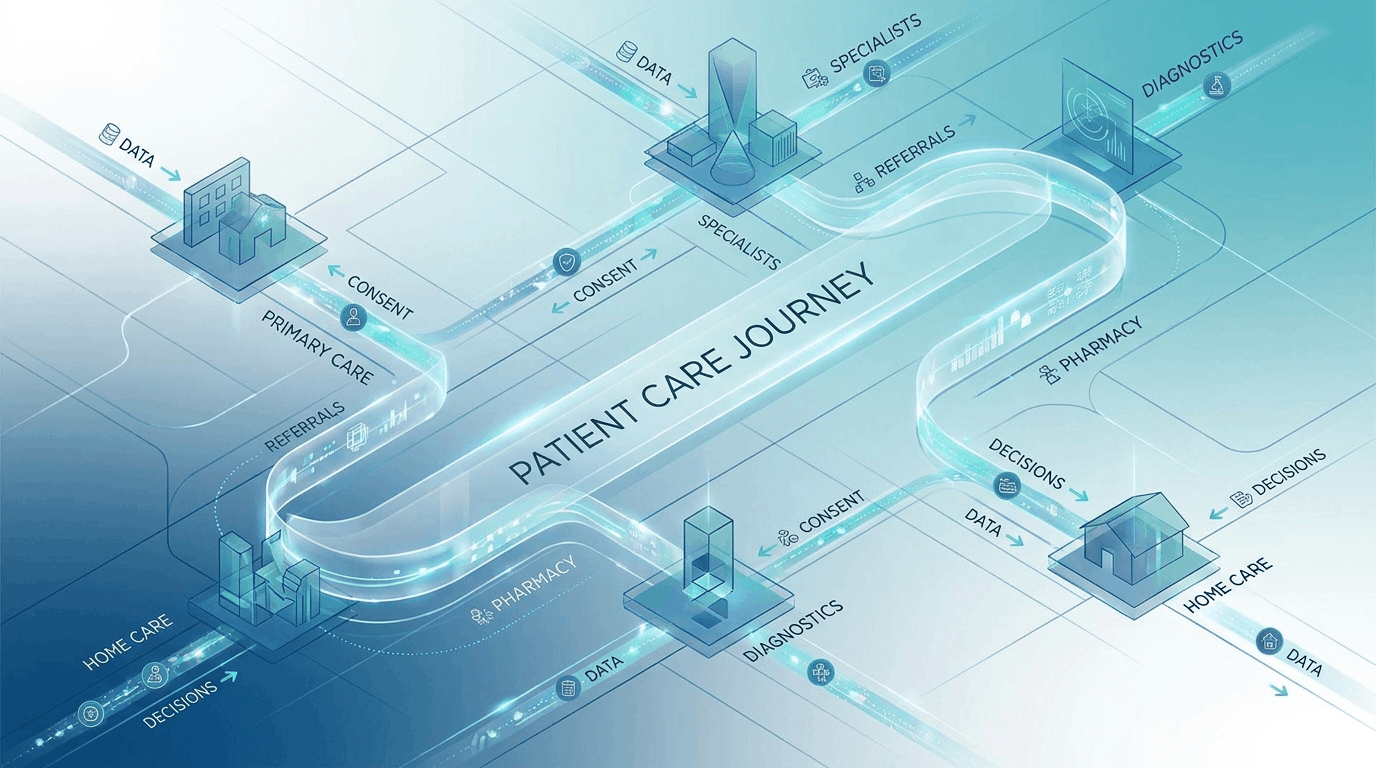
Why Digital Healthcare Still Feels Fragmented Despite Hundreds of New Solutions Executive Summary Healthcare has never had more software. Ho...
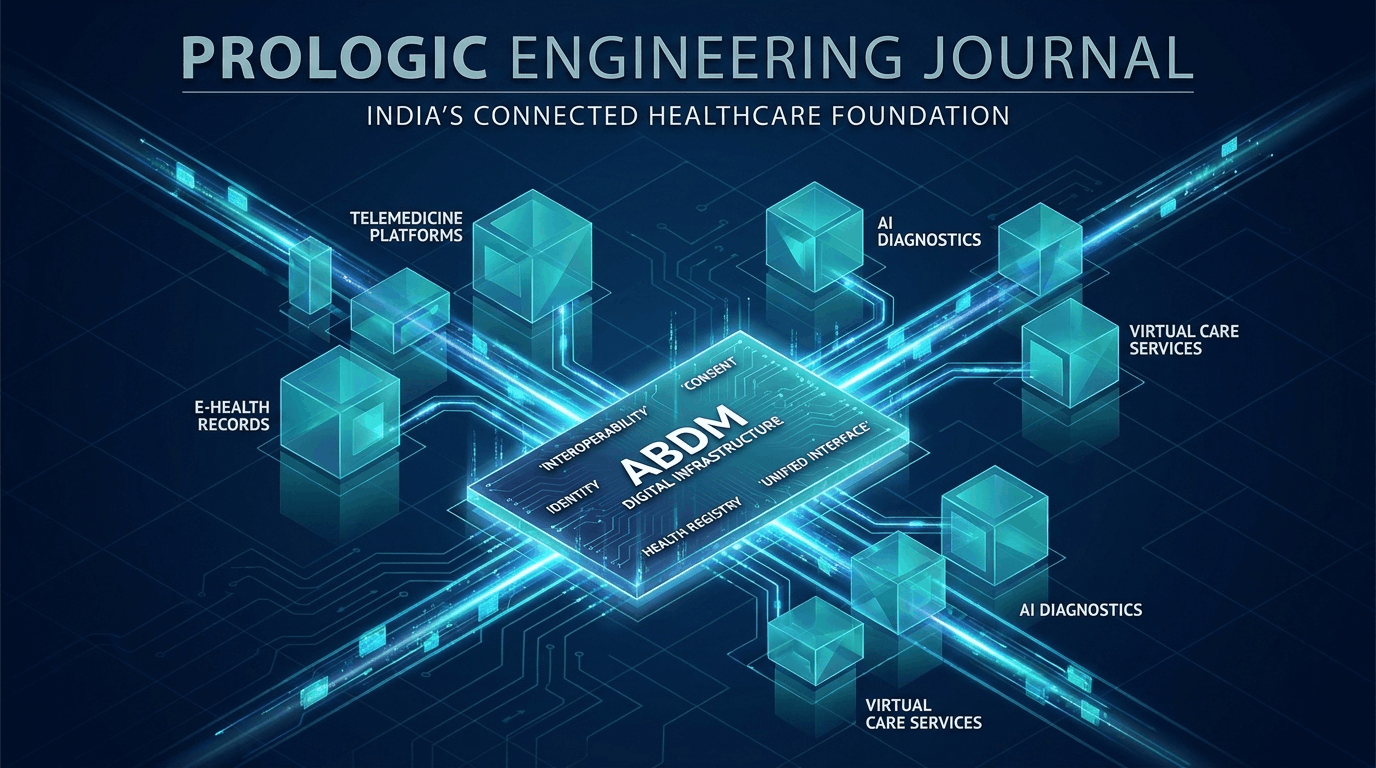
Building for India's Digital Health Future Instead of Yesterday's Healthcare Executive Summary Every generation of technology has a defining...
