








Inventory Is Becoming an AI Problem
Why the Future of Retail Depends Less on Stock Counts and More on Intelligent Decisions Executive Summary For decades, inventory management...
Explore composable commerce across five chapters- from modular business capabilities and APIs to AI-native workflows, progressive modernization, governance, and adaptive commerce.

Commerce technology has spent the last two decades trying to solve the same fundamental problem: how can a business sell to customers across an increasing number of experiences without rebuilding its technology every time a new channel appears?
The answer has evolved. First came the traditional commerce platform — a large system responsible for catalog, cart, checkout, orders, customers and promotions. Then came headless commerce, which separated the customer-facing experience from the underlying commerce engine. Now comes composable commerce — an architectural approach in which individual business capabilities can be selected, replaced, extended and evolved independently.
But there is an important distinction that is often missed. Composable commerce is not simply about breaking a monolith into microservices. A business can have dozens of services and still have an architecture that is expensive, tightly coupled and difficult to change. The real objective is much more practical:
Build a commerce ecosystem that can evolve at the speed of the business.
That means being able to change pricing without redesigning checkout. Add a marketplace without rewriting the order system. Introduce a new payment provider without disrupting commerce operations. Add AI personalization without embedding AI into every application. Connect Shopify, ERP, POS, marketplaces and emerging commerce networks without turning the integration layer into another monolith.
This is where composable architecture becomes strategically important. And as commerce becomes increasingly intelligent, composability becomes even more important. AI agents, personalization engines, dynamic pricing, conversational commerce and autonomous workflows will not arrive as another single commerce channel. They will operate across commerce capabilities. The next generation of commerce therefore needs more than headless storefronts. It needs a composable commerce foundation.
Follow the progressive architectural journey from modular foundations to autonomous, adaptive commerce.
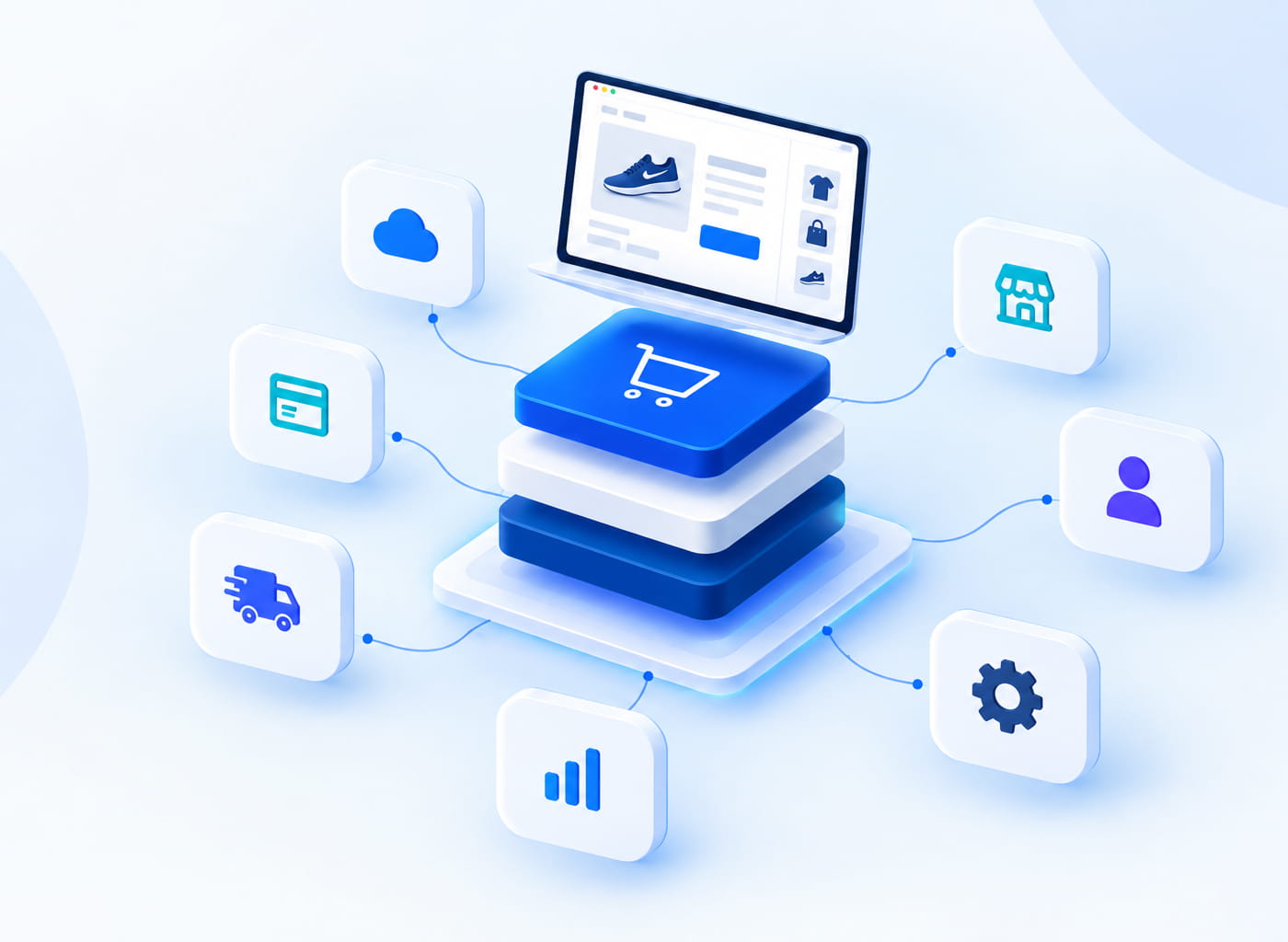
Building a Unified Commerce Foundation Through Shared Capabilities and Connected Experiences
Composable commerce creates a flexible foundation for modern digital experiences by connecting channels, shared business capabilities, and unified data. By establishing a single commerce architecture, separating customer experiences from business logic, and maintaining consistent product, inventory, and customer information, businesses can support multiple experiences while keeping their core commerce operations connected and adaptable.

Building a Channel-Agnostic Architecture for Orders, Payments, APIs, and Connected Commerce
Composable commerce requires an architecture that connects orders, payments, marketplaces, APIs, and business capabilities without tying them to a single channel. By adopting event-driven communication, integrating AI capabilities, and embedding security across the ecosystem, businesses can create a flexible commerce foundation that supports connected experiences, independent services, and evolving business needs.

Connecting Commerce Capabilities with Intelligent Automation and Governance
Composable commerce brings together shared business capabilities, AI-driven intelligence, and governance to create a connected and adaptable commerce ecosystem. By integrating commerce services, applying AI to business workflows, and establishing clear governance practices, organizations can improve operational efficiency, maintain consistency, and support intelligent decision-making across the commerce landscape.

Modernizing Commerce Operations Through Connected Systems and Flexible Architecture
Operating a composable commerce ecosystem requires a flexible architecture that allows business capabilities to evolve independently while remaining connected. By modernizing existing systems, integrating commerce services, and improving operational coordination, organizations can reduce complexity, support continuous improvement, and adapt their commerce infrastructure to changing business requirements.

Preparing for Adaptive Commerce Through Readiness, Connected Capabilities, and CommerceFabric
The future of commerce depends on an organization's readiness to connect business capabilities, modernize its architecture, and adapt to evolving customer and market expectations. CommerceFabric provides a foundation for connecting commerce systems and capabilities, helping organizations build flexible digital commerce environments that can support continuous innovation, intelligent operations, and future business needs.
Build a flexible commerce ecosystem where every capability works together without being tied to a single platform. CommerceFabric connects your core systems, enabling you to evolve your technology, adopt new capabilities, and scale without disrupting your business.
Connect commerce systems through real-time events that synchronize orders, inventory, payments, and fulfillment across your ecosystem.
Enable intelligent agents to support product discovery, personalized shopping, operational workflows, and data-driven commerce decisions.
Build modular commerce capabilities that can be independently developed, integrated, and upgraded as business requirements evolve.
Maintain consistent product information, pricing, and availability across storefronts, marketplaces, and sales channels through connected data services.
Connect what matters, modernize what needs to evolve, and create a resilient commerce architecture capable of supporting whatever comes next.
Pre-built accelerators and cloud-native frameworks purpose-engineered to bridge legacy systems into modern unified commerce.
Autonomous Retail Infrastructure
AI-powered stores
Computer Vision
Smart Shelves
RFID
Smart Carts
Autonomous Checkout

Unified Commerce Infrastructure
Shopify Plus
Headless Commerce
ONDC
Marketplace Platforms
D2C
B2B Commerce

Intelligent Payment Infrastructure
Stripe
PayPal
UPI
Split Payments
Marketplace Settlements
Payment Orchestration
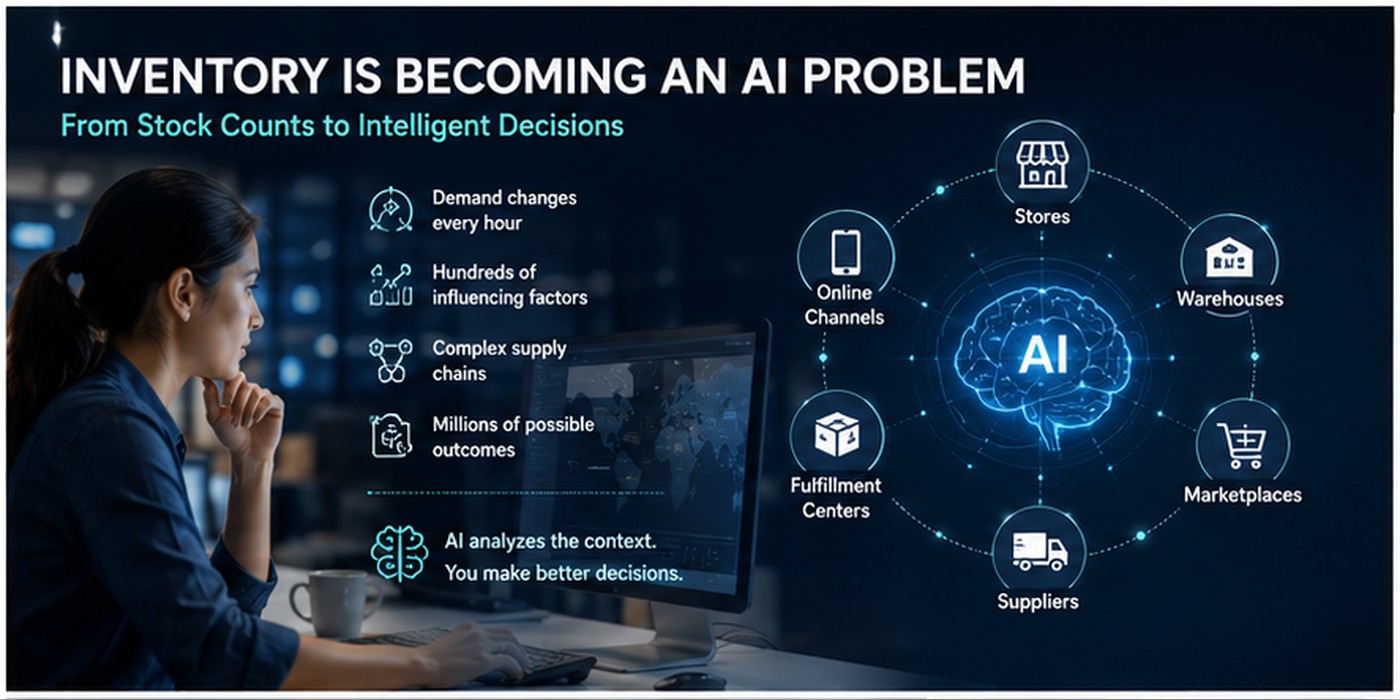
Why the Future of Retail Depends Less on Stock Counts and More on Intelligent Decisions Executive Summary For decades, inventory management...
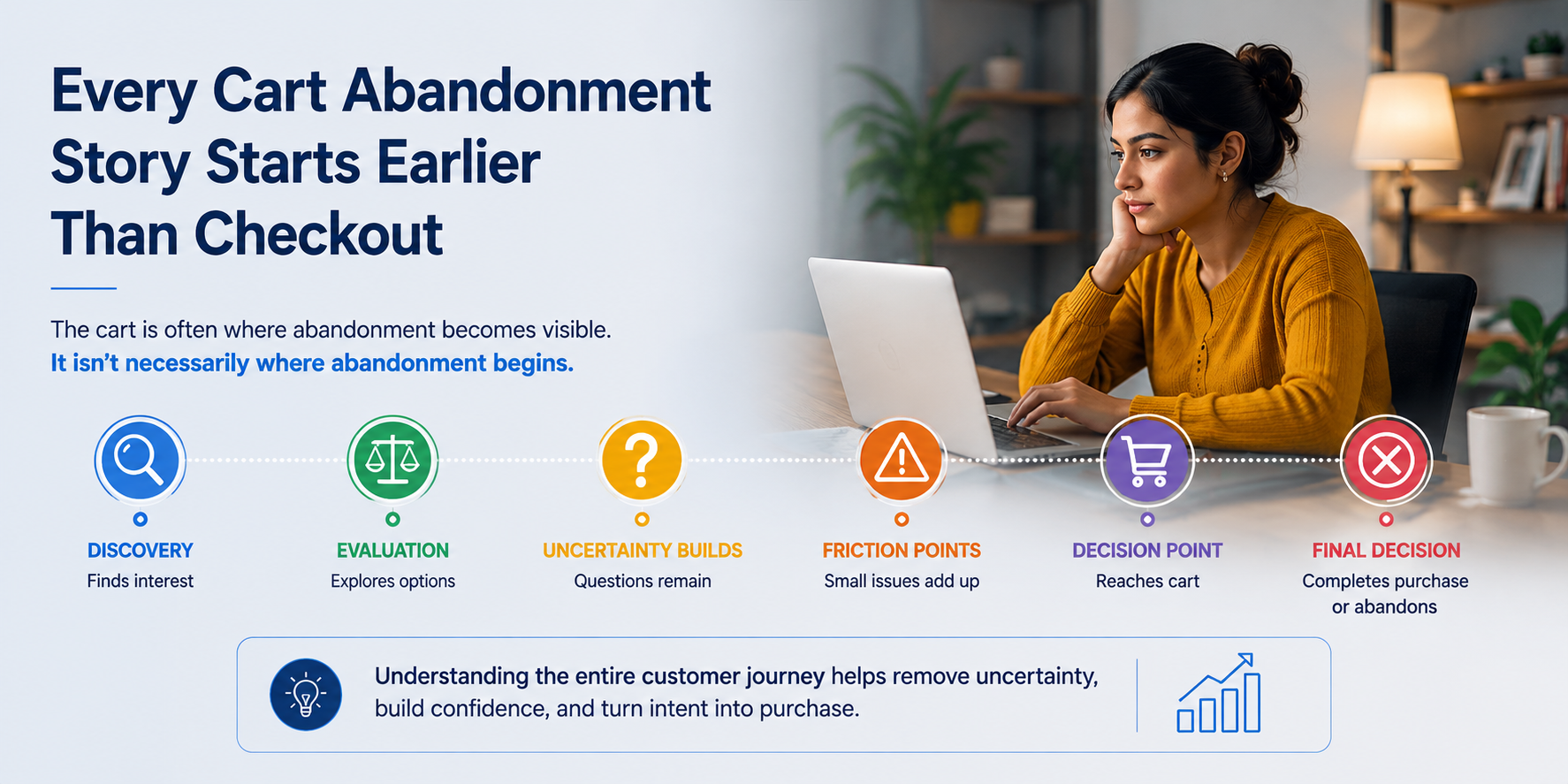
Why retailers should stop treating the cart as the problem There is a familiar conversation in eCommerce. The conversion rate has dropped. T...
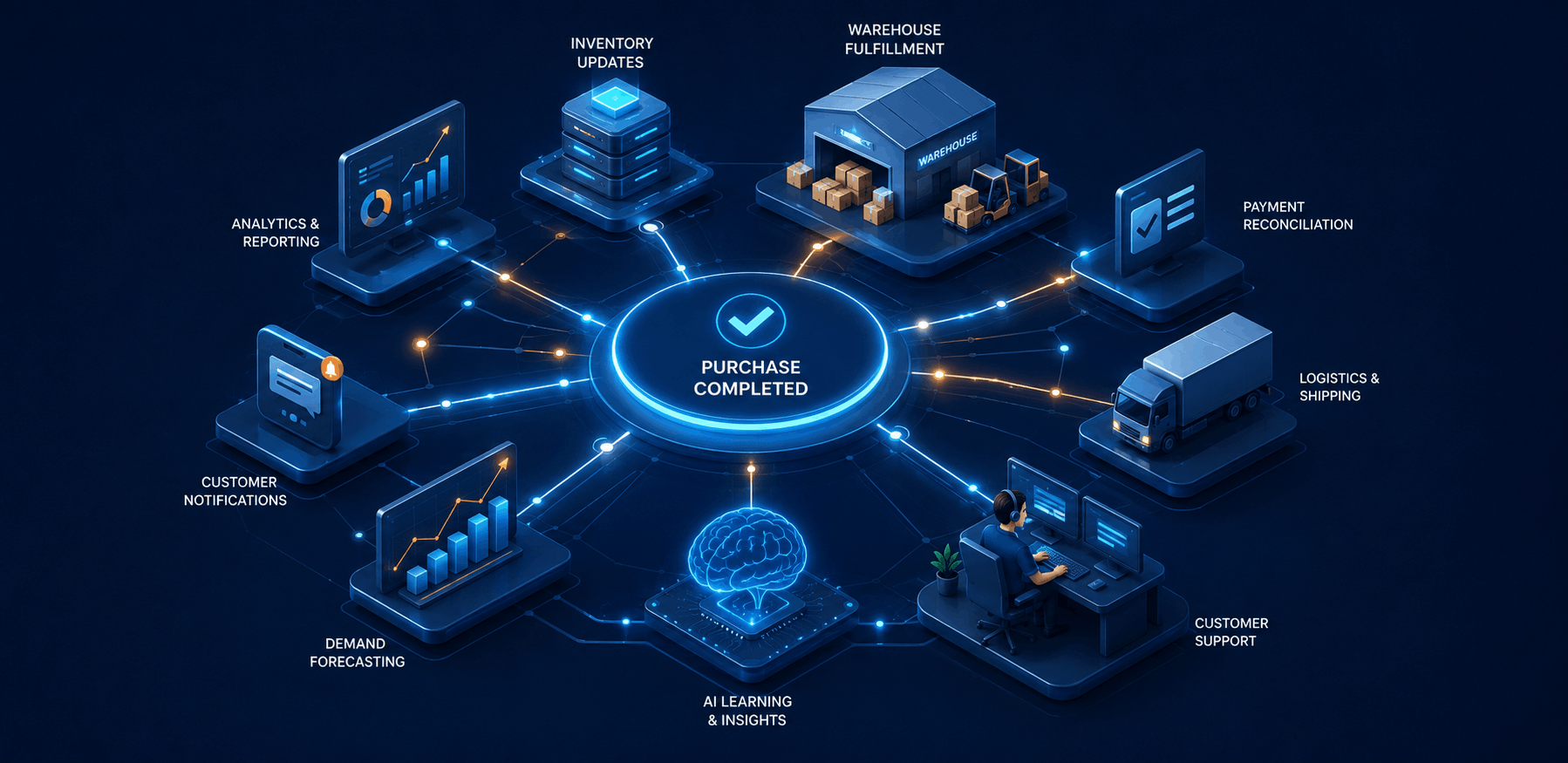
Why the Greatest Opportunities in Commerce Start When the Payment Is Complete Executive Summary For decades, retailers have invested heavily...
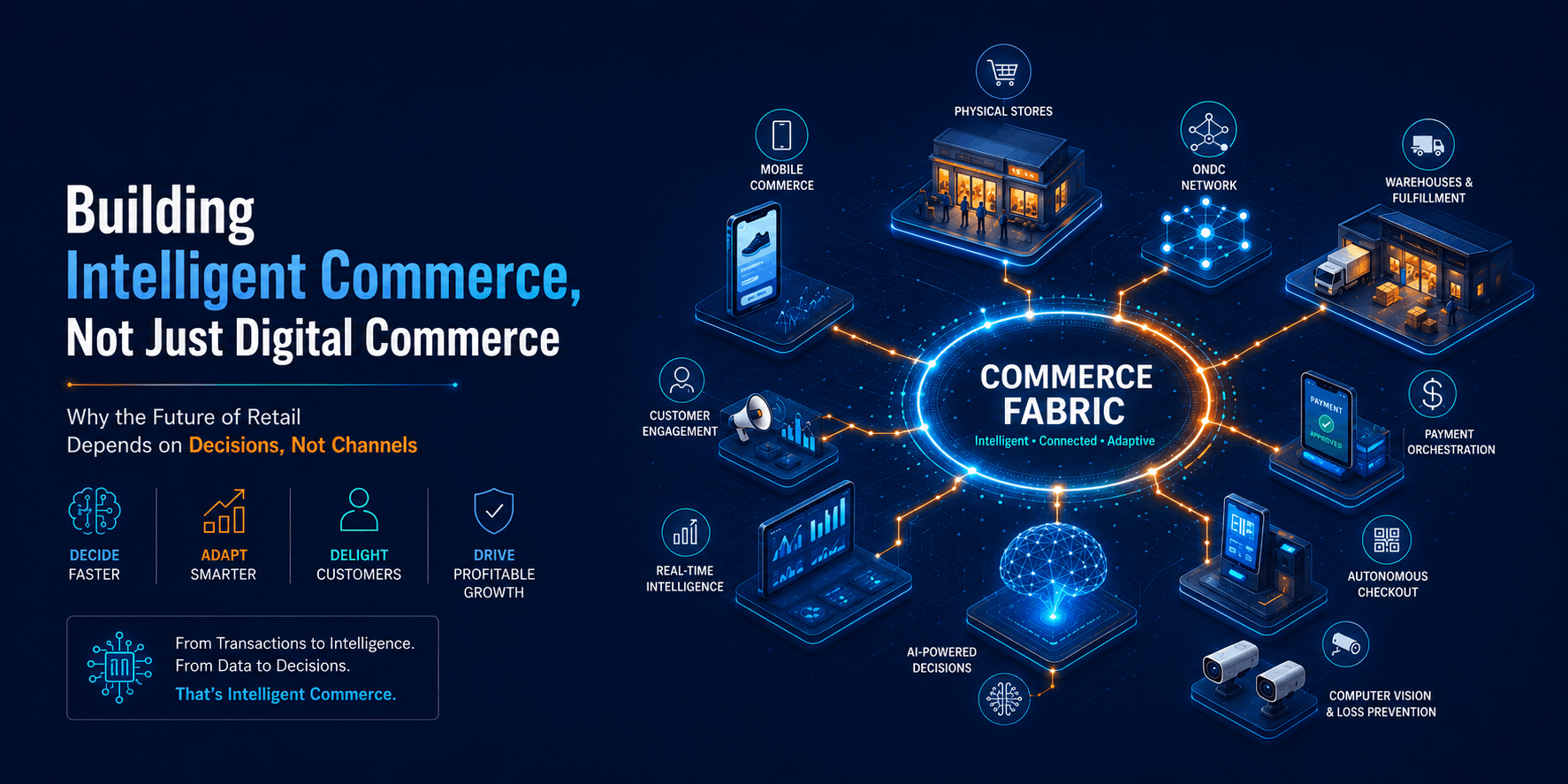
Why the Future of Retail Depends on Decisions, Not Channels Executive Summary For the past two decades, retailers have pursued digital trans...
