









Why Architecture Diagrams Lie
The Difference Between the System We Design and the System We Actually Build Executive Summary Architecture diagrams are among the first art...
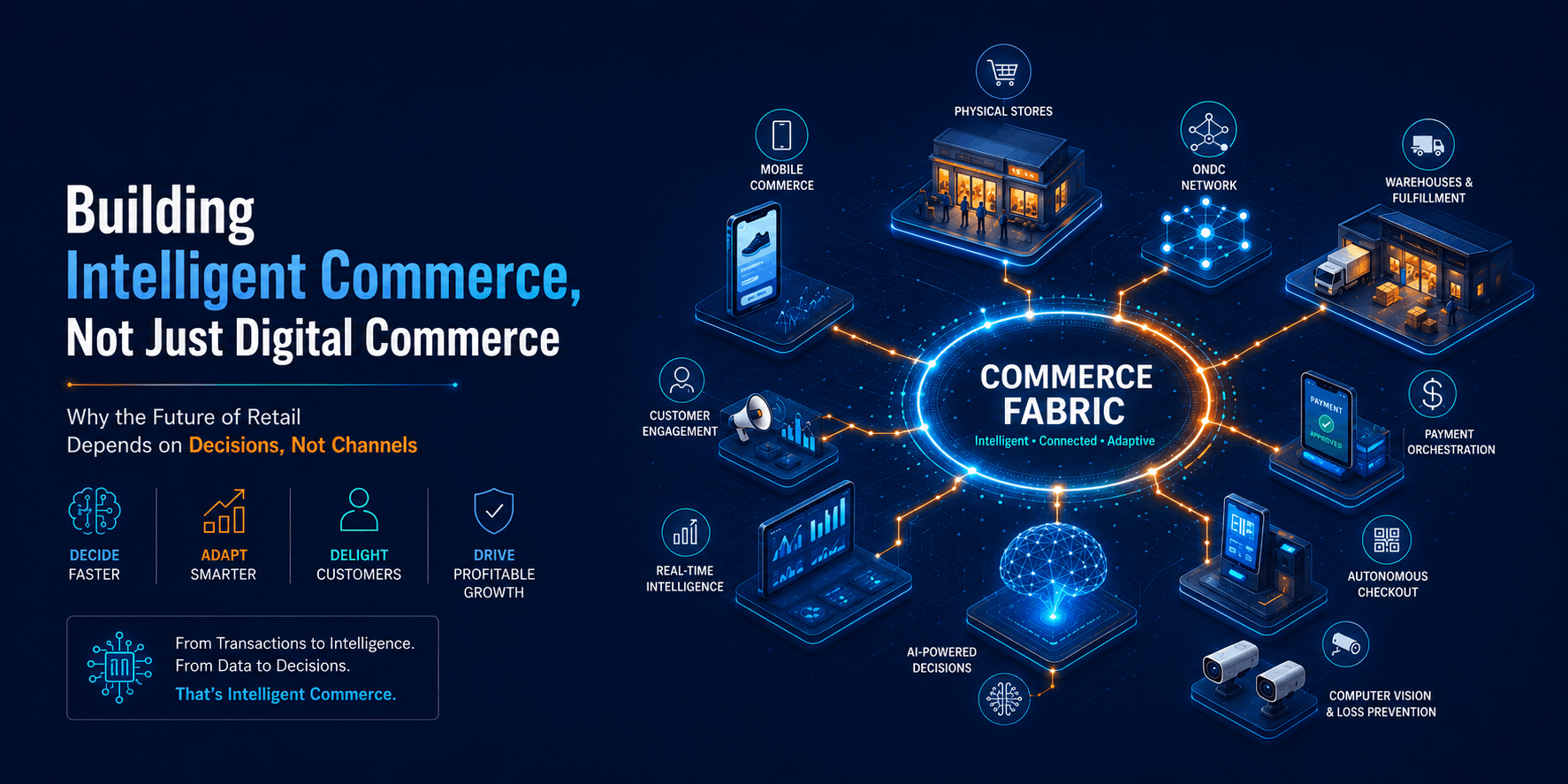
For the past two decades, retailers have pursued digital transformation with remarkable intensity.
They launched websites, built mobile applications, expanded into marketplaces, invested in omnichannel capabilities, adopted cloud platforms, implemented CRM systems, introduced loyalty programs, and experimented with artificial intelligence.
By almost every traditional measure, commerce has become digital.
Yet something important hasn’t changed.
Many retailers are still operating with systems that record transactions rather than understand them. Their technology captures what happened but struggles to determine what should happen next.
A customer abandons a cart.
Inventory falls unexpectedly.
A shipment is delayed.
Demand spikes in one region while another slows dramatically.
Most digital commerce platforms faithfully report these events.
Very few help businesses respond intelligently.
That distinction defines what we believe is the next evolution of retail.
The future will not belong to organizations with the most digital channels.
It will belong to organizations that make better decisions across every channel.
That is the difference between Digital Commerce and Intelligent Commerce.
Think back to the early days of eCommerce.
The challenge was straightforward.
How do we make products available online?
Retailers built websites.
Then mobile applications.
Then marketplace integrations.
Later came social commerce, conversational commerce, and quick commerce.
Every innovation expanded customer access.
Consumers gained more ways to discover products and complete purchases.
This transformation fundamentally changed retail.
But it also created a new problem.
Businesses became increasingly effective at generating transactions while remaining surprisingly inefficient at learning from them.
Commerce became connected.
It did not necessarily become intelligent.
Modern retailers possess extraordinary amounts of information.
Sales transactions.
Customer profiles.
Inventory records.
Marketing analytics.
Delivery performance.
Loyalty behavior.
Search history.
Product reviews.
Payment preferences.
The challenge is no longer collecting information.
It is deciding what to do with it.
Should inventory move between fulfillment centers?
Should prices adjust automatically?
Should customer support intervene before complaints arise?
Should replenishment begin today or next week?
Should promotions continue or pause?
Every one of these questions represents a business decision.
Most commerce platforms provide dashboards.
The next generation of commerce platforms will provide judgment.
A purchase may appear to be a single event.
In reality, it triggers dozens of interconnected decisions.
Inventory is updated.
Warehouses begin fulfillment.
Payment reconciliation starts.
Fraud systems perform additional verification.
Shipping providers receive instructions.
Customers receive notifications.
Loyalty systems calculate rewards.
Demand forecasts change.
Future purchasing recommendations become more accurate.
None of these activities occur in isolation.
Every decision influences the next.
The health of a retail business depends less on the quality of individual systems than on how effectively those systems coordinate decisions across the entire organization.
Commerce is not simply a flow of products.
It is a flow of decisions.
Artificial intelligence is often discussed as though it were another retail feature.
Recommendation engines.
Chatbots.
Product search.
Dynamic pricing.
These capabilities are valuable.
They are also incomplete.
The real opportunity lies elsewhere.
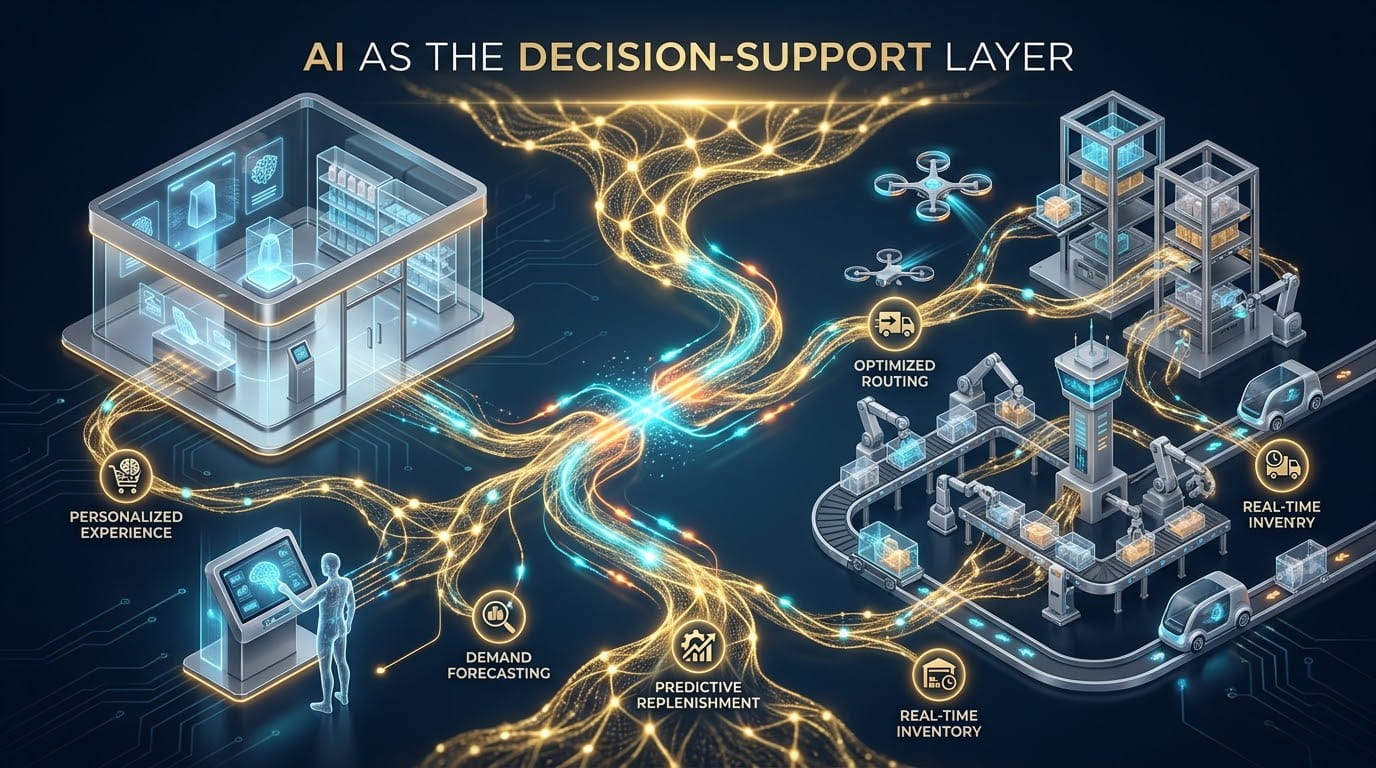
Artificial intelligence should become the decision-support layer that continuously observes operations, identifies emerging patterns, recommends actions, and helps businesses adapt faster than manual processes allow.
Instead of asking, “What happened today?”
Retail leaders increasingly ask:
“What should we do next?”
That is a fundamentally different question.
It is also the question AI is uniquely positioned to answer.
For years, retailers invested in automation.
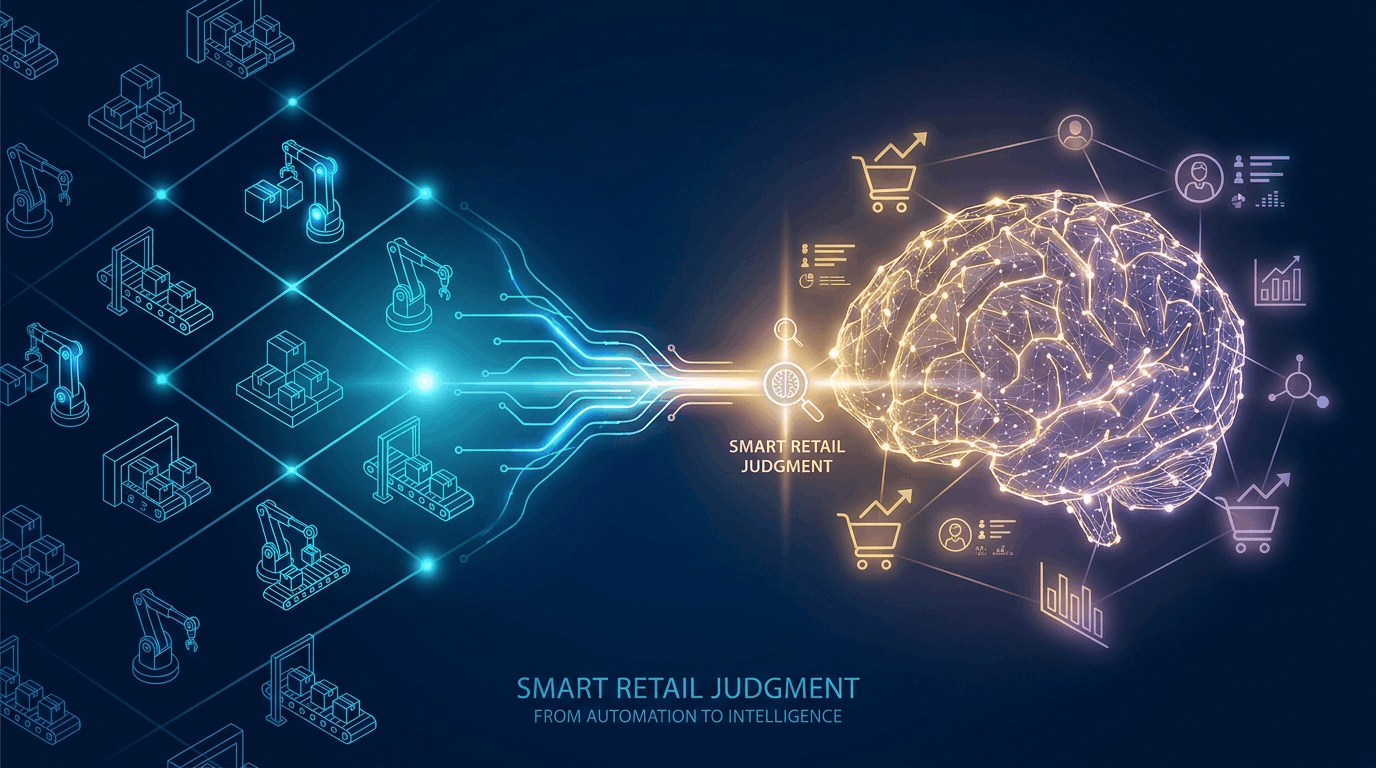
Automation reduces repetitive work.
Intelligence improves decision quality.
The distinction matters.
An automated warehouse processes orders more efficiently.
An intelligent warehouse predicts demand before orders arrive.
An automated customer support system responds faster.
An intelligent support platform identifies customers likely to require assistance before they ask.
Automation improves execution.
Intelligence improves judgment.
The future of commerce requires both.
At Prologic, we believe retailers should stop thinking of commerce as a collection of disconnected applications.
Commerce is a living operational system where inventory, payments, fulfillment, customer experience, marketing, and analytics continuously influence one another.
CommerceFabric was conceived around that idea.
Every customer interaction becomes operational context.
Every operational event becomes business intelligence.
Every business insight becomes a better decision.
Artificial intelligence is not added as another feature.
It becomes woven into the operational fabric of the business, supporting decisions across every stage of the retail lifecycle.
Our objective is not simply to help retailers sell more products.
It is to help them build organizations that continuously learn.
The last decade rewarded retailers that embraced digital channels.
The next decade will reward retailers that build intelligent operating models.
Two companies may use the same commerce platform.
The same payment providers.
The same logistics partners.
The same marketing channels.
Yet one organization consistently makes better decisions.
It replenishes inventory sooner.
Detects operational risks earlier.
Personalizes experiences more effectively.
Adapts faster to market changes.
Its competitive advantage is no longer technology alone.
It is organizational intelligence.
That is considerably harder to replicate.
Digital commerce transformed how businesses reach customers.
Intelligent commerce will transform how businesses think.
The shift is subtle, but profound.
Retailers no longer compete solely on product selection, pricing, or digital experiences.
Increasingly, they compete on the quality and speed of the decisions made after every customer interaction.
Technology will continue to evolve.
Artificial intelligence will become more capable.
Customer expectations will continue to rise.
The organizations that thrive will not necessarily be those with the largest technology budgets.
They will be the ones that build systems capable of learning, adapting, and improving continuously.
Digital commerce made retail available everywhere.
Intelligent commerce will make every part of retail smarter.
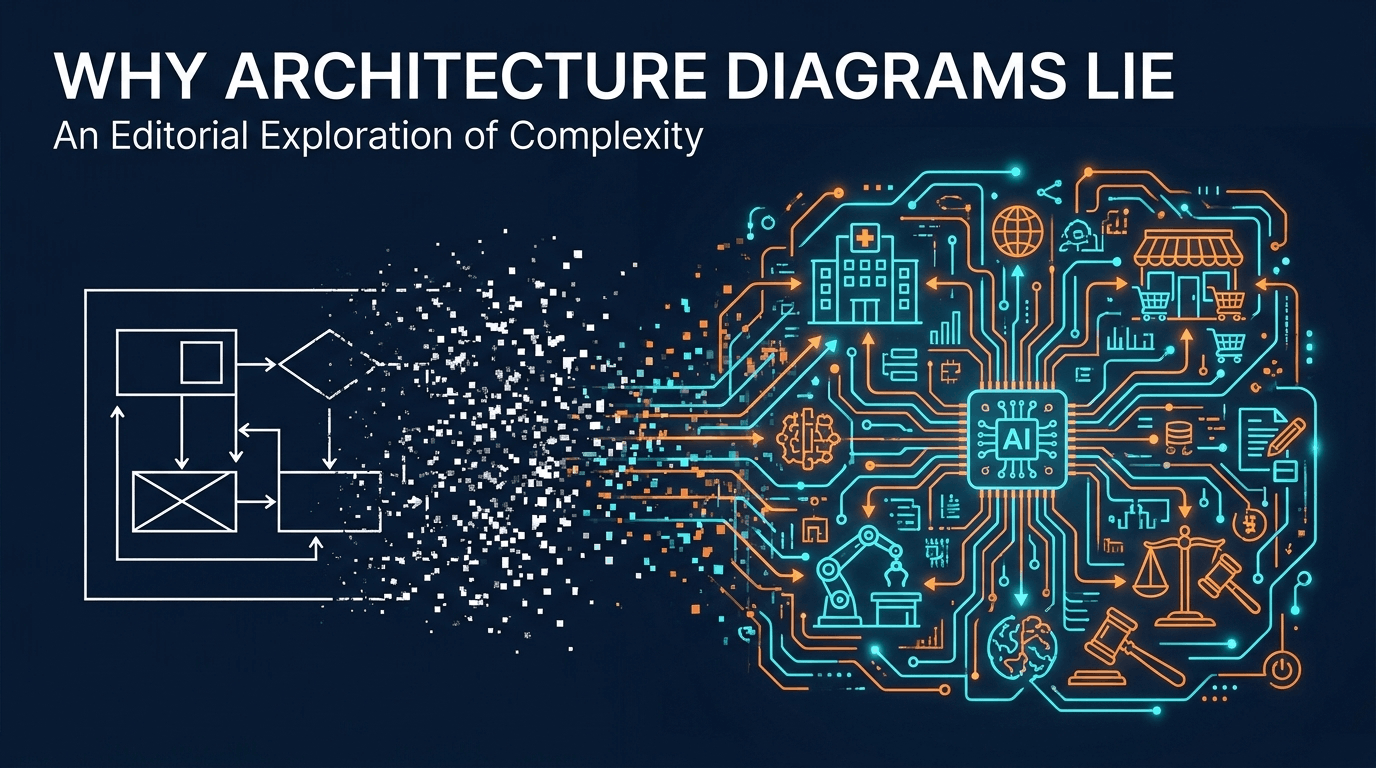
The Difference Between the System We Design and the System We Actually Build Executive Summary Architecture diagrams are among the first art...
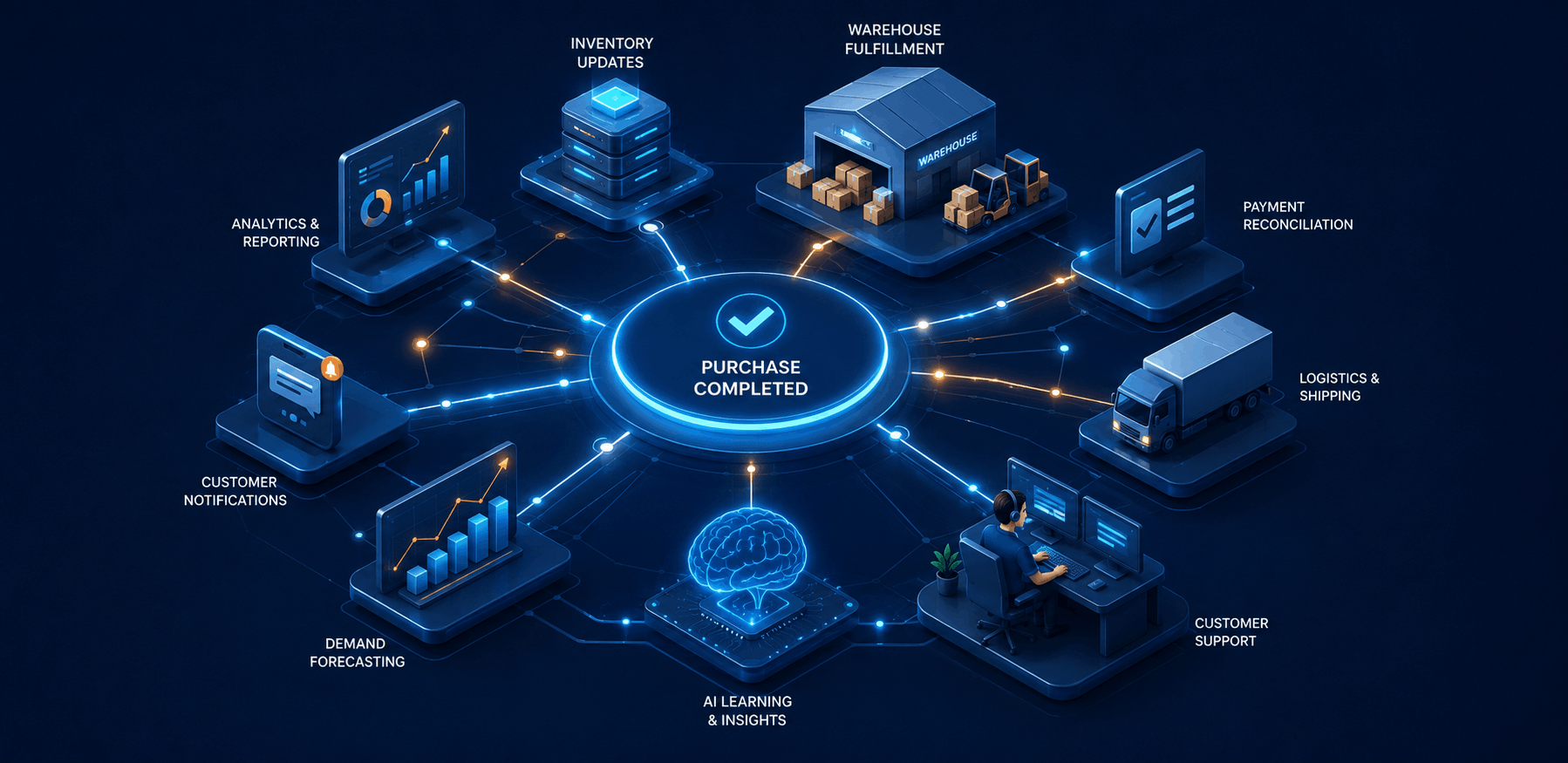
Why the Greatest Opportunities in Commerce Start When the Payment Is Complete Executive Summary For decades, retailers have invested heavily...
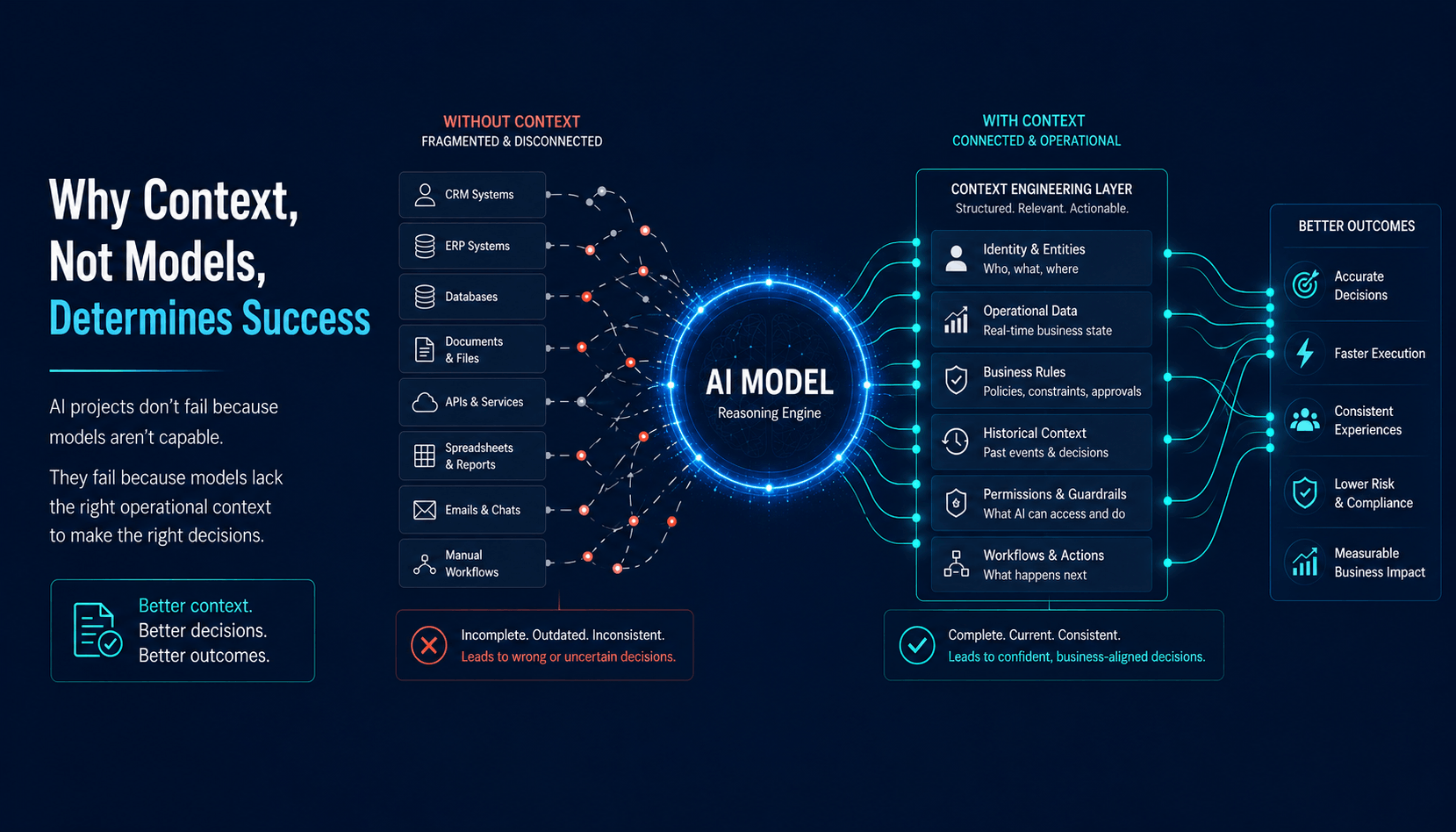
Why Context, Not Models, Determines Success Executive Summary Every AI project begins with excitement. The conversation quickly turns to mod...
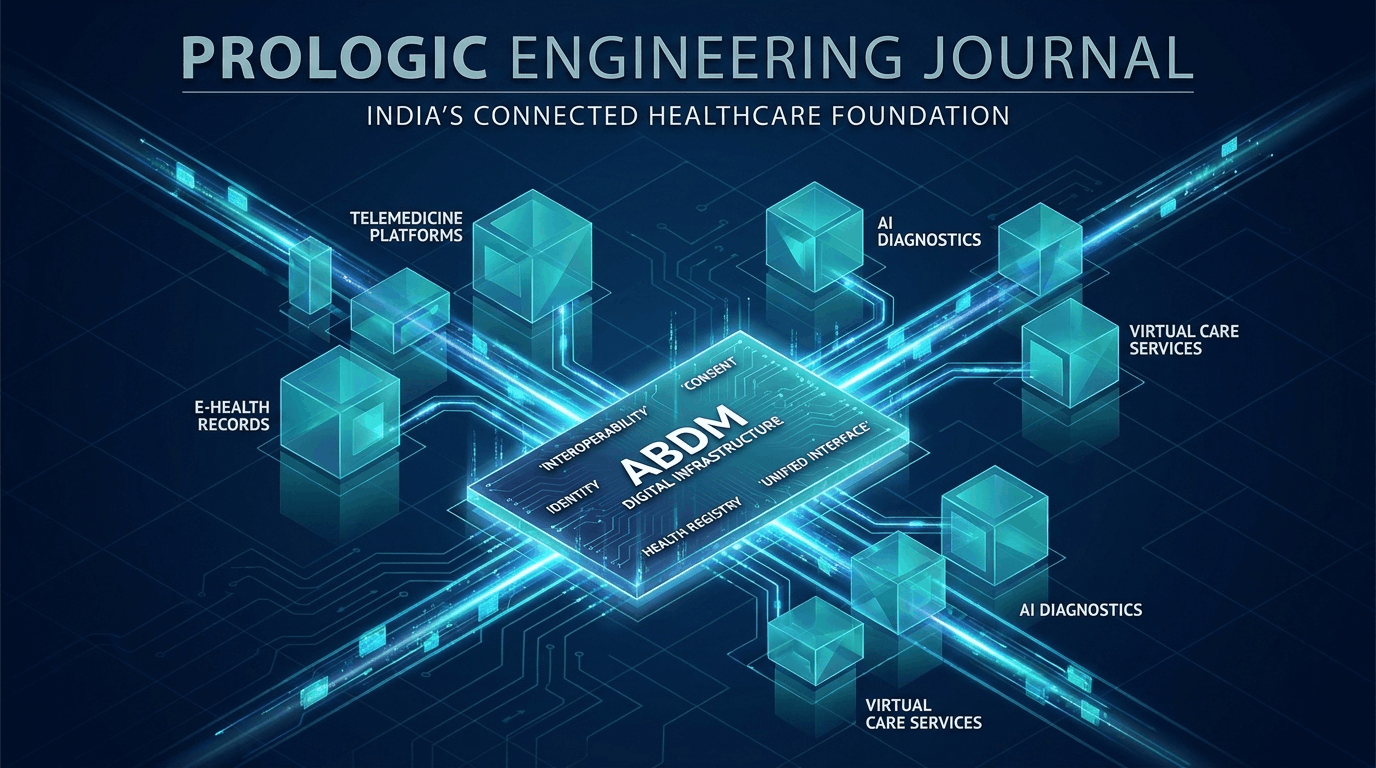
Building for India's Digital Health Future Instead of Yesterday's Healthcare Executive Summary Every generation of technology has a defining...
