








Why Architecture Diagrams Lie
The Difference Between the System We Design and the System We Actually Build Executive Summary Architecture diagrams are among the first art...
Every generation of technology has a defining platform.
The internet changed how businesses communicated. Smartphones redefined customer engagement. Cloud computing transformed how software was built and deployed.
Healthcare is now entering a similar transition.
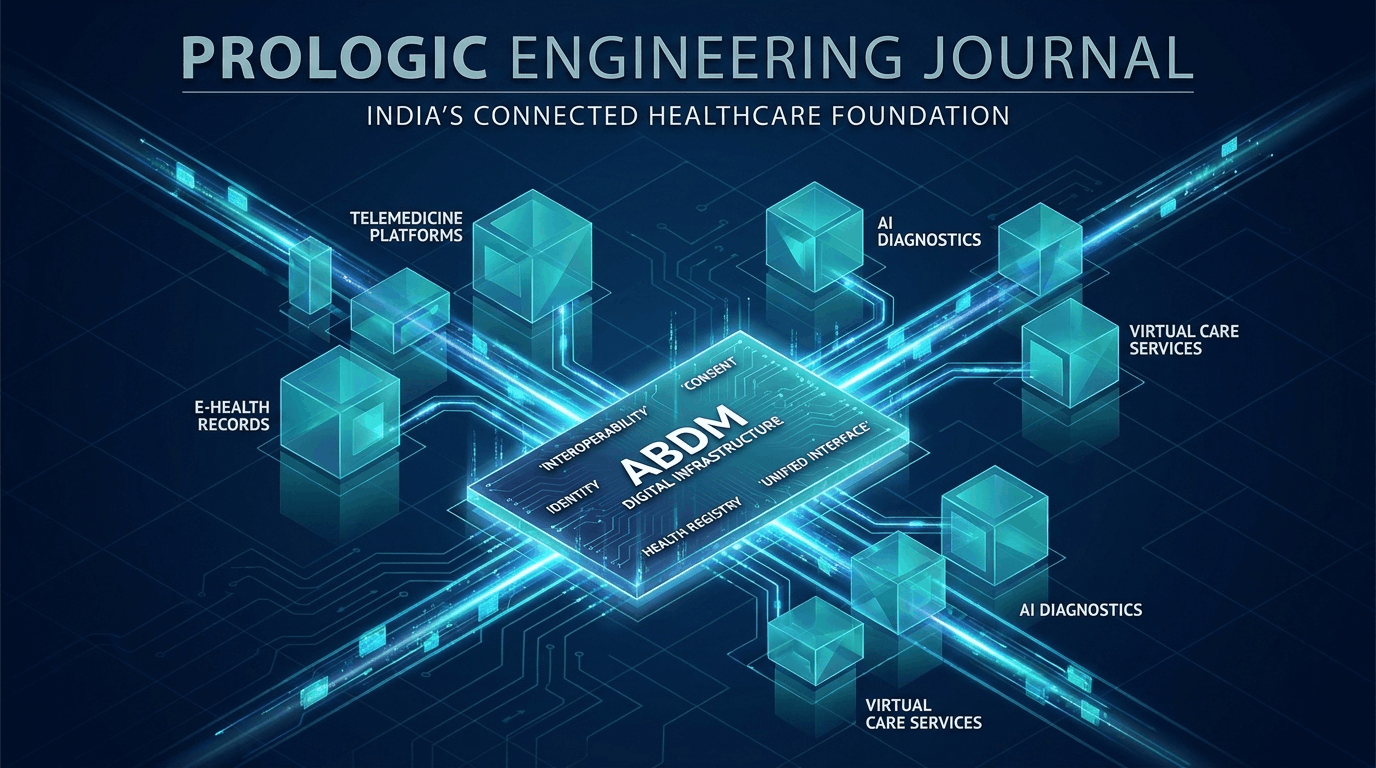
In India, that transition is being shaped by the Ayushman Bharat Digital Mission (ABDM). While many discussions focus on compliance or government policy, that framing misses the bigger picture. ABDM is not simply another regulatory initiative. It is the digital foundation upon which the next generation of Indian healthcare products will be built.
For HealthTech founders, this distinction matters.
The companies that view ABDM as a mandatory integration will likely implement only the minimum required functionality. The companies that view it as foundational infrastructure will build products that become increasingly valuable as India’s digital health ecosystem matures.
History has repeatedly shown that platforms create ecosystems, and ecosystems create market leaders.
ABDM has all the characteristics of a platform.
The question is not whether healthcare startups should integrate with it.
The question is whether they can afford not to.
Imagine building an online banking application today without supporting digital payments.
Technically, it could be done.
Commercially, it would make little sense.
Customers expect their financial services to connect seamlessly with the rest of the banking ecosystem. They don’t think about payment networks, settlement systems, or identity verification. They simply expect money to move effortlessly between institutions.
Healthcare has historically been very different.
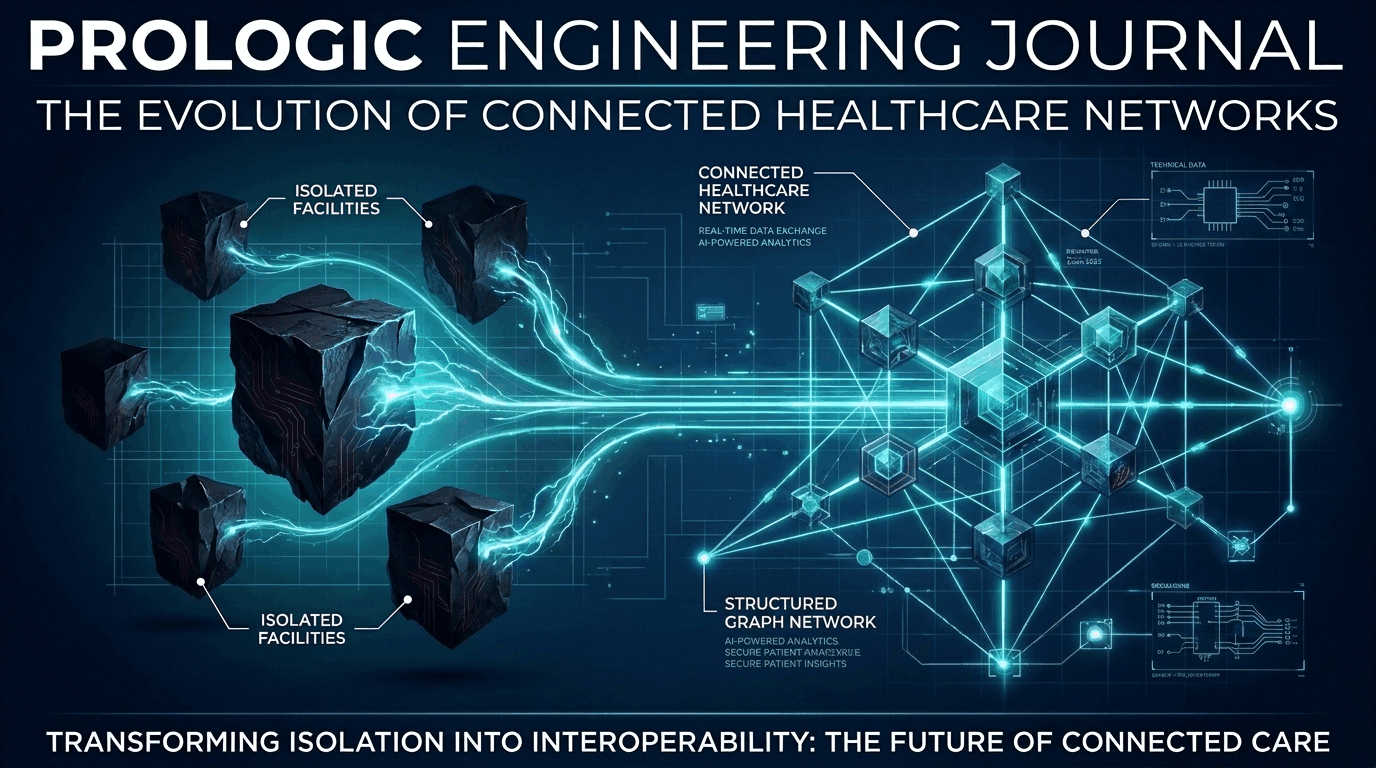
Every hospital maintained its own records.
Every clinic collected patient information independently.
Diagnostic laboratories stored reports in isolated systems.
Patients often became the only bridge connecting one provider to another, carrying printed reports, handwritten prescriptions, and imaging films from one consultation to the next.
The industry accepted this fragmentation because there was no shared digital foundation capable of connecting these participants.
ABDM changes that assumption.
For the first time, India has a national framework that enables healthcare organizations to exchange information securely, with patient consent and standardized interoperability.
That changes not just how software integrates.
It changes what healthcare software can become.
Many startups postpone ABDM integration.
The reasoning usually sounds practical.
“We’ll build the product first.”
“We’ll integrate later.”
“We need customers before we worry about interoperability.”
At first glance, this seems sensible. Early-stage companies have limited resources, and customer acquisition naturally feels more urgent than platform integration.
The problem is that architecture hardens over time.
A product designed without interoperability in mind eventually accumulates assumptions about identity, workflows, permissions, data models, and integrations. Months—or years—later, retrofitting those assumptions to align with ABDM becomes significantly more complex than designing for it from the beginning.
Good engineering is rarely about adding capabilities later.
It is about leaving room for them today.
Building with ABDM in mind doesn’t necessarily mean implementing every specification on day one.
It means ensuring that future integration feels like evolution rather than reconstruction.
One of the most common misconceptions is that ABDM is primarily an integration project.
Connect an API.
Generate an ABHA.
Exchange health records.
Move on.
That perspective dramatically underestimates its significance.
ABDM introduces a common language for digital healthcare.
Identity becomes portable.
Consent becomes standardized.
Health information becomes interoperable.
Clinical workflows become easier to coordinate across independent organizations.
These capabilities create network effects that extend far beyond technical integration.
A telemedicine platform can collaborate more effectively with hospitals.
Diagnostic centers can share reports without forcing patients to manually transport records.
Primary care physicians gain better visibility into specialist consultations.
Patients spend less time repeating information and more time receiving care.
These are not API features.
They are ecosystem capabilities.
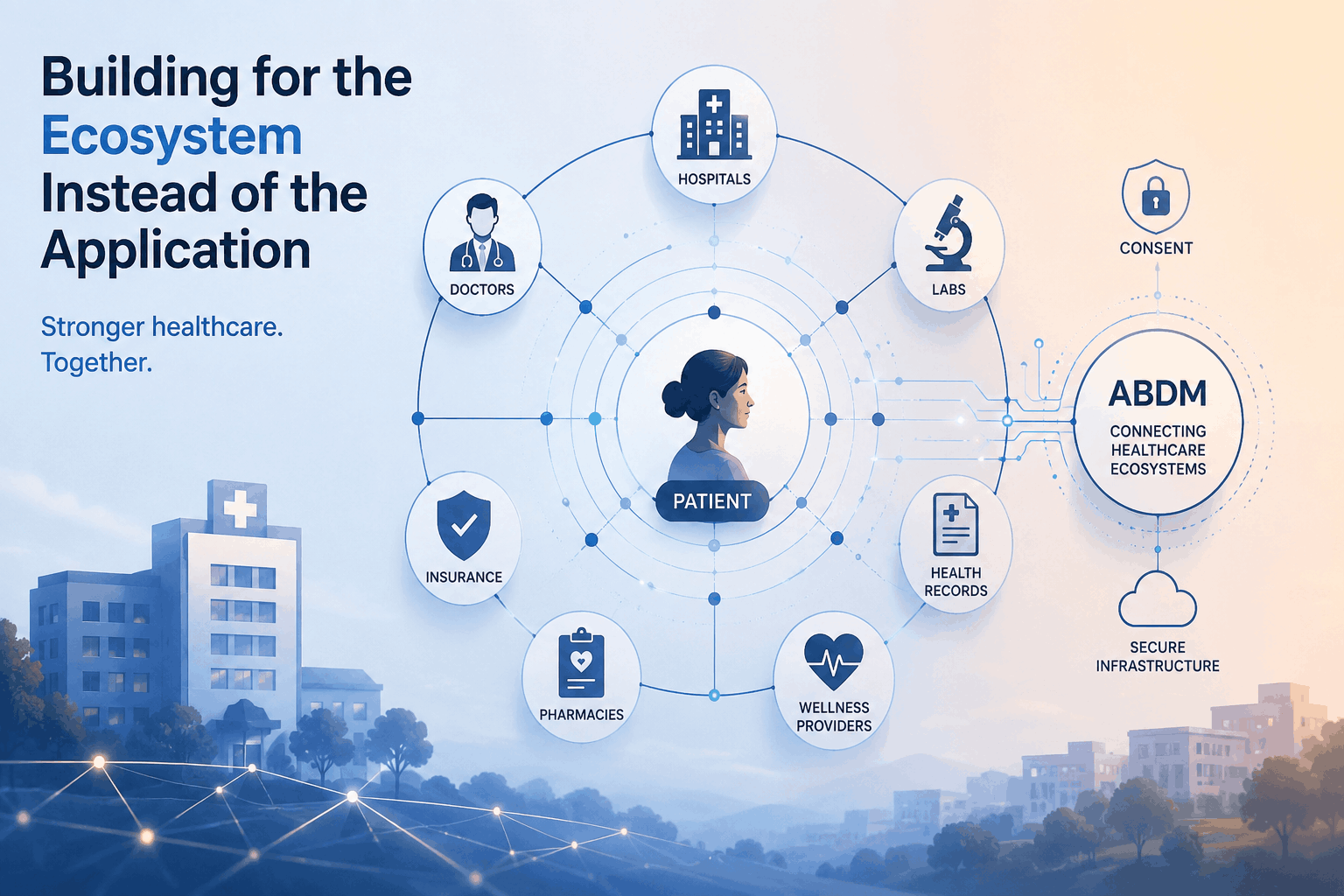
The most successful technology companies rarely optimize for individual applications.
They optimize for participation within larger ecosystems.
Consider how modern businesses build around payment networks, cloud platforms, mobile operating systems, or identity providers. Their products become stronger because they inherit the capabilities of the surrounding ecosystem instead of recreating them independently.
Healthcare is moving in the same direction.
The winners will not necessarily build the largest applications.
They will build applications that collaborate most effectively with the broader healthcare network.
This requires a shift in mindset.
Instead of asking, “What features should we build?”, founders should begin asking, “How will our product participate in the patient’s complete healthcare journey?”
That question naturally leads toward interoperability, consent, workflow integration, and shared digital infrastructure.
In other words, it leads toward ABDM.
At Prologic, we don’t see ABDM as a compliance checklist.
We see it as the operating layer for connected healthcare in India.
When we architect healthcare platforms, we don’t start with APIs or certifications. We begin by understanding how patients, clinicians, hospitals, laboratories, pharmacies, insurers, and public health systems exchange information and make decisions throughout the continuum of care.
ABDM provides the foundation for those interactions.
FHIR enables interoperability.
Consent establishes trust.
Workflow orchestration ensures information reaches the right participant at the right moment.
Artificial intelligence helps clinicians and administrators make better decisions using that information.
These capabilities reinforce one another.
Treating them as isolated technical features misses the larger opportunity.
Healthcare platforms should not merely comply with the ecosystem.
They should be designed to grow with it.
Every platform eventually reaches an inflection point.
Some products remain isolated applications.
Others become indispensable participants within larger digital ecosystems.
The difference is rarely determined by marketing or funding.
It is determined by architecture.
Founders building healthcare products today have a unique advantage. They are designing in an environment where national digital infrastructure already exists. They do not have to invent interoperability, identity, or consent frameworks from scratch.
They can build on top of them.
History suggests that companies built on strong platforms consistently outperform companies built around isolated capabilities.
Healthcare is unlikely to be any different.
India’s digital health transformation is still in its early stages.
Standards will evolve.
Workflows will mature.
Technology will improve.
New regulations will emerge.
What is unlikely to change is the direction of travel.
Healthcare is becoming more connected, more interoperable, and more collaborative.
Startups that recognize this shift early will spend less time rebuilding their products as the ecosystem evolves. Instead, they will spend their energy creating better experiences for patients, clinicians, and healthcare organizations.
ABDM should not be viewed as a feature to implement after product-market fit.
It should be viewed as part of the foundation on which product-market fit is achieved.
Because the next generation of Indian healthcare leaders will not simply build successful applications.
They will build successful participants in India’s connected healthcare ecosystem.
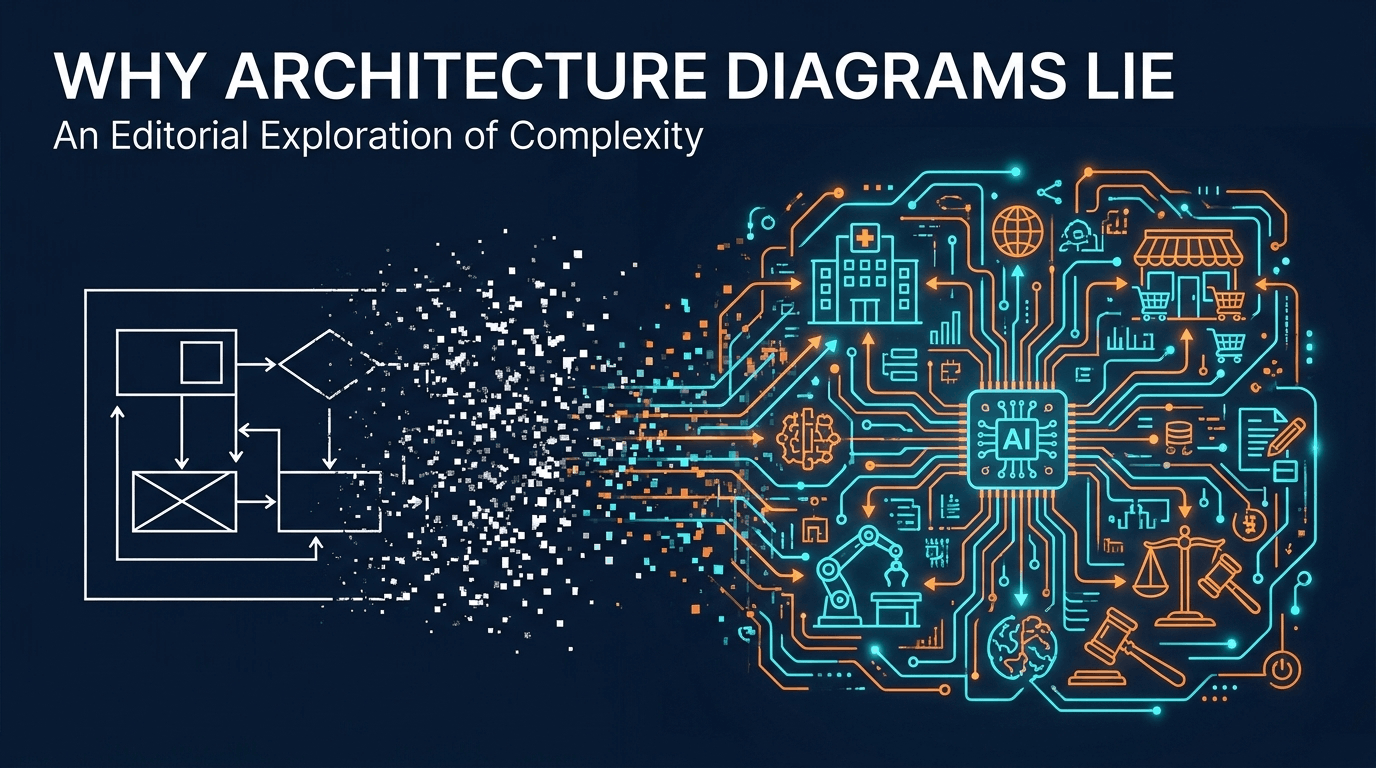
The Difference Between the System We Design and the System We Actually Build Executive Summary Architecture diagrams are among the first art...
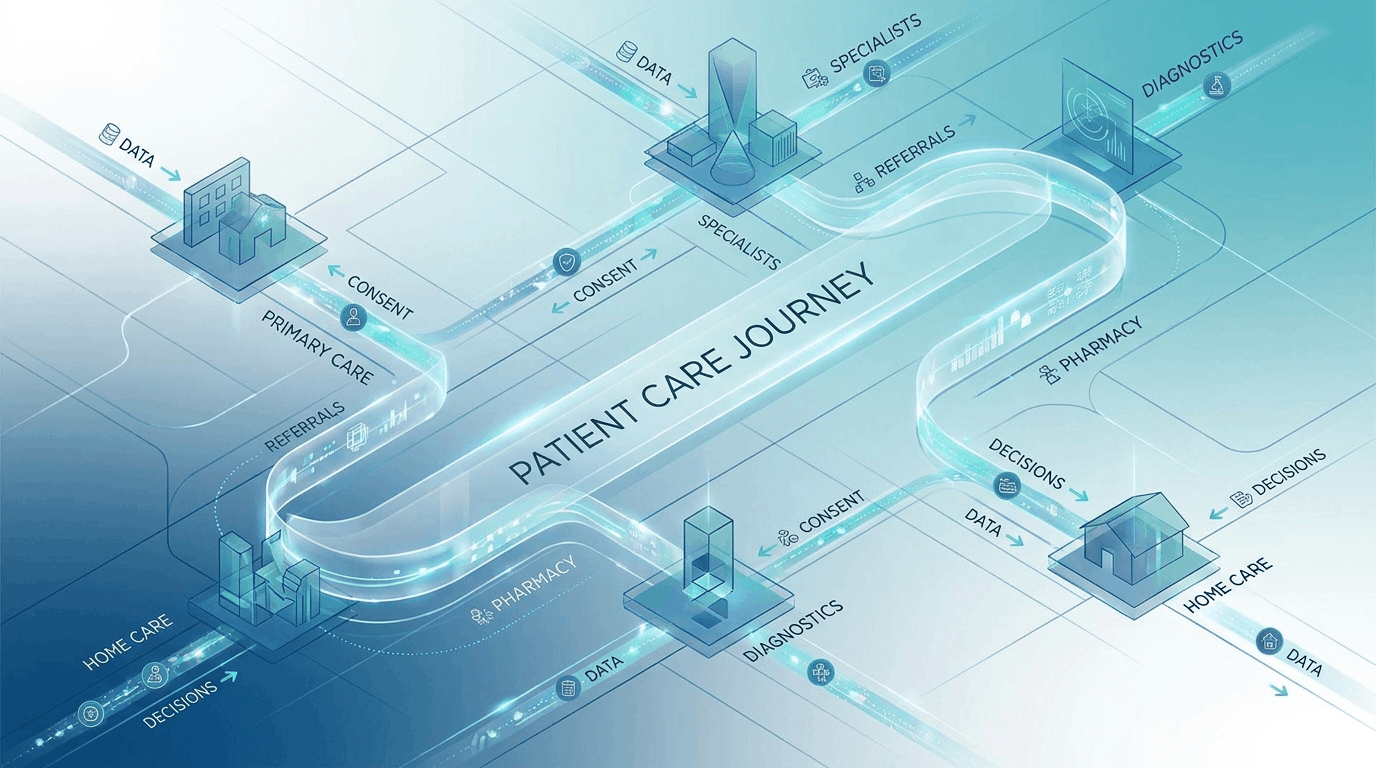
Why Digital Healthcare Still Feels Fragmented Despite Hundreds of New Solutions Executive Summary Healthcare has never had more software. Ho...
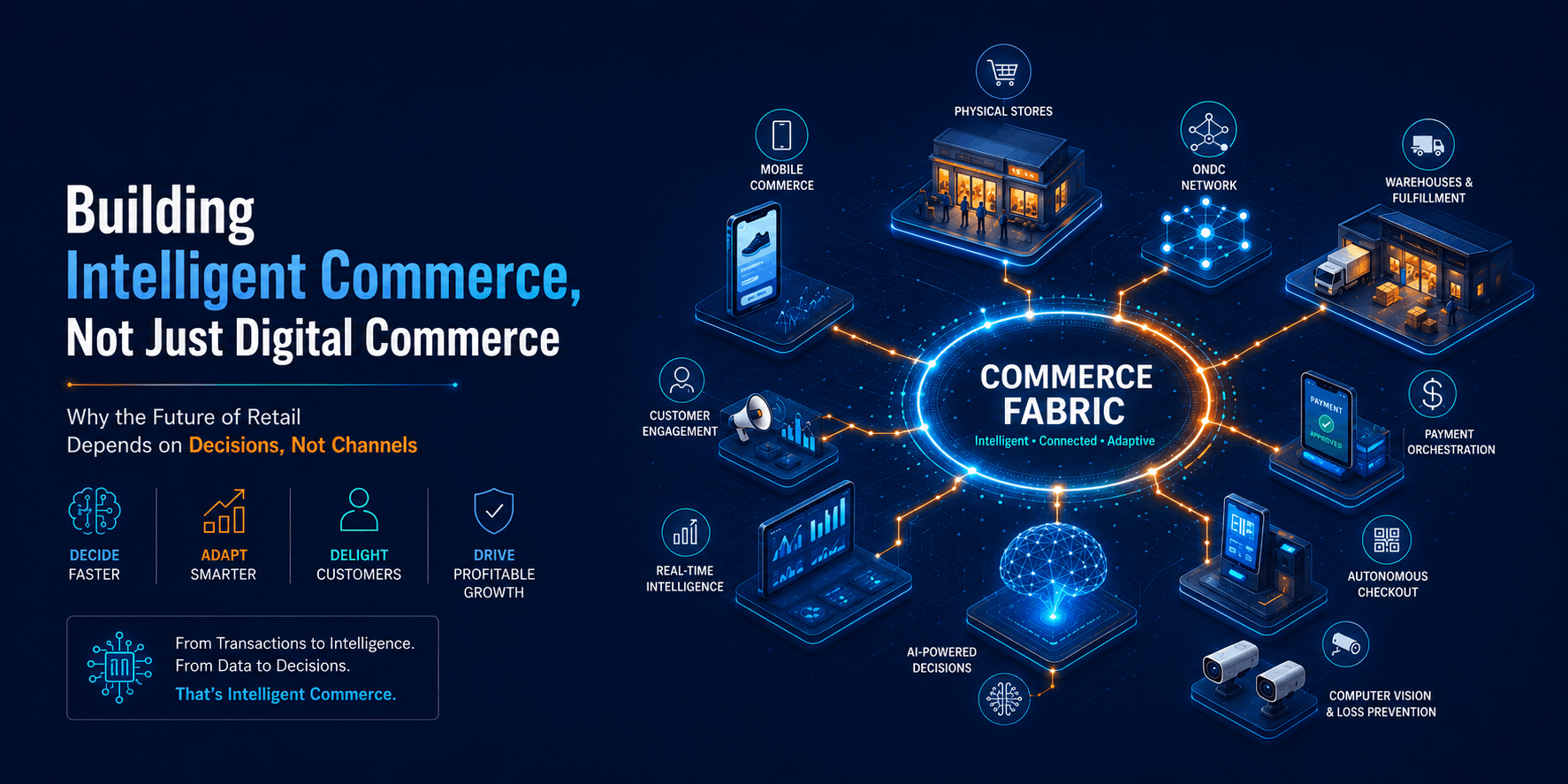
Why the Future of Retail Depends on Decisions, Not Channels Executive Summary For the past two decades, retailers have pursued digital trans...
