





The Global Shift to Connected Healthcare
Establishing interoperability as a strategic imperative in the era of second-generation digital medicine.
Digital Healthcare Has Entered Its Second Generation
The first generation of digital healthcare focused on replacing paper-based processes with electronic systems.
Hospitals implemented Electronic Medical Records (EMRs), Laboratory Information Systems (LIS), Radiology Information Systems (RIS), Hospital Information Systems (HIS), billing platforms and patient portals. These investments marked an important milestone by improving record management, reducing paperwork and digitizing many operational workflows.
Yet, despite significant investments, many healthcare organizations still operate as collections of independent applications rather than connected ecosystems.
Patient information often remains scattered across departments. Clinical workflows frequently require manual coordination. Data is duplicated across systems. Healthcare professionals spend valuable time searching for information instead of acting on it.
Digitization solved the problem of record keeping.
It did not solve the problem of connected care
Today, healthcare is entering its second generation- where the focus shifts from digitizing systems to connecting them.
From Digital Systems to Digital Ecosystems
Healthcare organizations are no longer evaluated by the number of systems they deploy.
They are increasingly evaluated by how effectively those systems work together.
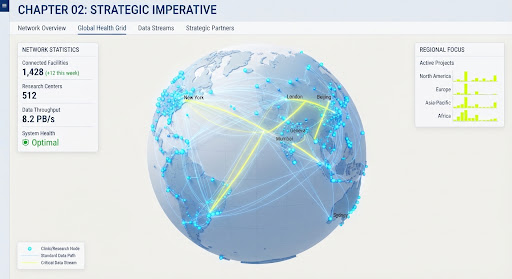
A connected healthcare ecosystem enables information to flow securely and intelligently across every stage of the patient journey.
Instead of isolated applications operating independently, clinical, operational and administrative systems become part of a unified platform where information is available when and where it is needed.This shift transforms healthcare from a collection of software products into an integrated care delivery model.
Interoperability Is No Longer Optional
Today, it has become a strategic capability.
For many years, interoperability was viewed as a technical challenge to be addressed during system integrations.
Healthcare organizations must exchange information across:
Every disconnected interaction increases operational costs, introduces delays and creates opportunities for clinical errors.
Conversely, organizations that establish secure, standards-based interoperability gain faster clinical decision-making, improved care coordination and a stronger foundation for digital innovation.
Interoperability is no longer about connecting applications.
It is about connecting healthcare.
Around the World, Healthcare Is Moving Toward Connected Ecosystems
Although healthcare systems differ from country to country, a common direction is emerging.
Governments and healthcare providers are investing in national frameworks that prioritize secure identity, standardized data exchange and patient-centric information sharing.

United States
TEFCA & USCDI
Establishing the technical and legal framework for a national data exchange, ensuring clinical data follows the patient across disparate networks and state lines.

United Kingdom
NHS Integrated Care
Establishing the technical and legal framework for a national data exchange, ensuring clinical data follows the patient across disparate networks and state lines.

India
ABDM Initiative
Establishing the technical and legal framework for a national data exchange, ensuring clinical data follows the patient across disparate networks and state lines.

Australia
My Health Record
Establishing the technical and legal framework for a national data exchange, ensuring clinical data follows the patient across disparate networks and state lines.
Despite differences in implementation, these initiatives share a common vision:
Healthcare information should follow the patient- not remain confined within institutions.
The Next Decade Will Be Defined by Connected Care
Healthcare leaders are no longer asking:
" Should we digitize?"
Instead, they are asking:
The answer increasingly lies in engineering connected healthcare ecosystems built on interoperability, intelligent workflows and open standards.
Organizations that invest in this foundation today will be better prepared for the technologies, regulations and patient expectations of tomorrow.
Prologic Perspective
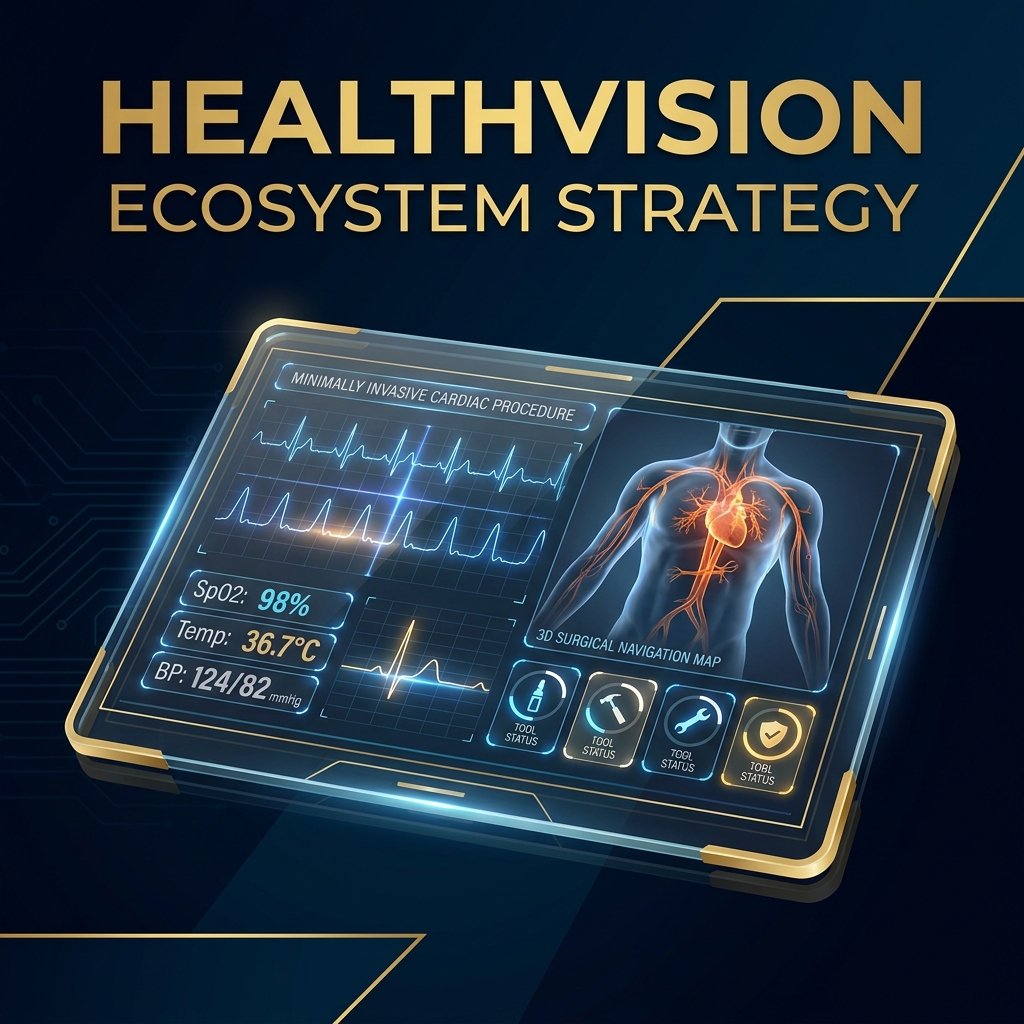
Interoperability should not be treated as an integration project or a compliance exercise. It should be viewed as a strategic engineering capability that enables AI, virtual care, analytics, population health and every future digital health initiative.
Healthcare organizations that build this foundation today will innovate faster, adapt more easily and deliver better outcomes across the entire continuum of care.
Chapter Directory
CONTINUE READING