










Building Intelligent Commerce, Not Just Digital Commerce
Why the Future of Retail Depends on Decisions, Not Channels Executive Summary For the past two decades, retailers have pursued digital trans...
For decades, retailers have invested heavily in improving how customers reach the checkout.
Better websites.
Faster mobile apps.
Personalized recommendations.
Digital wallets.
One-click payments.
Autonomous checkout.
All of these innovations aim to answer one question:
How do we help customers complete a purchase?
It’s an important question. But it’s no longer the only one.
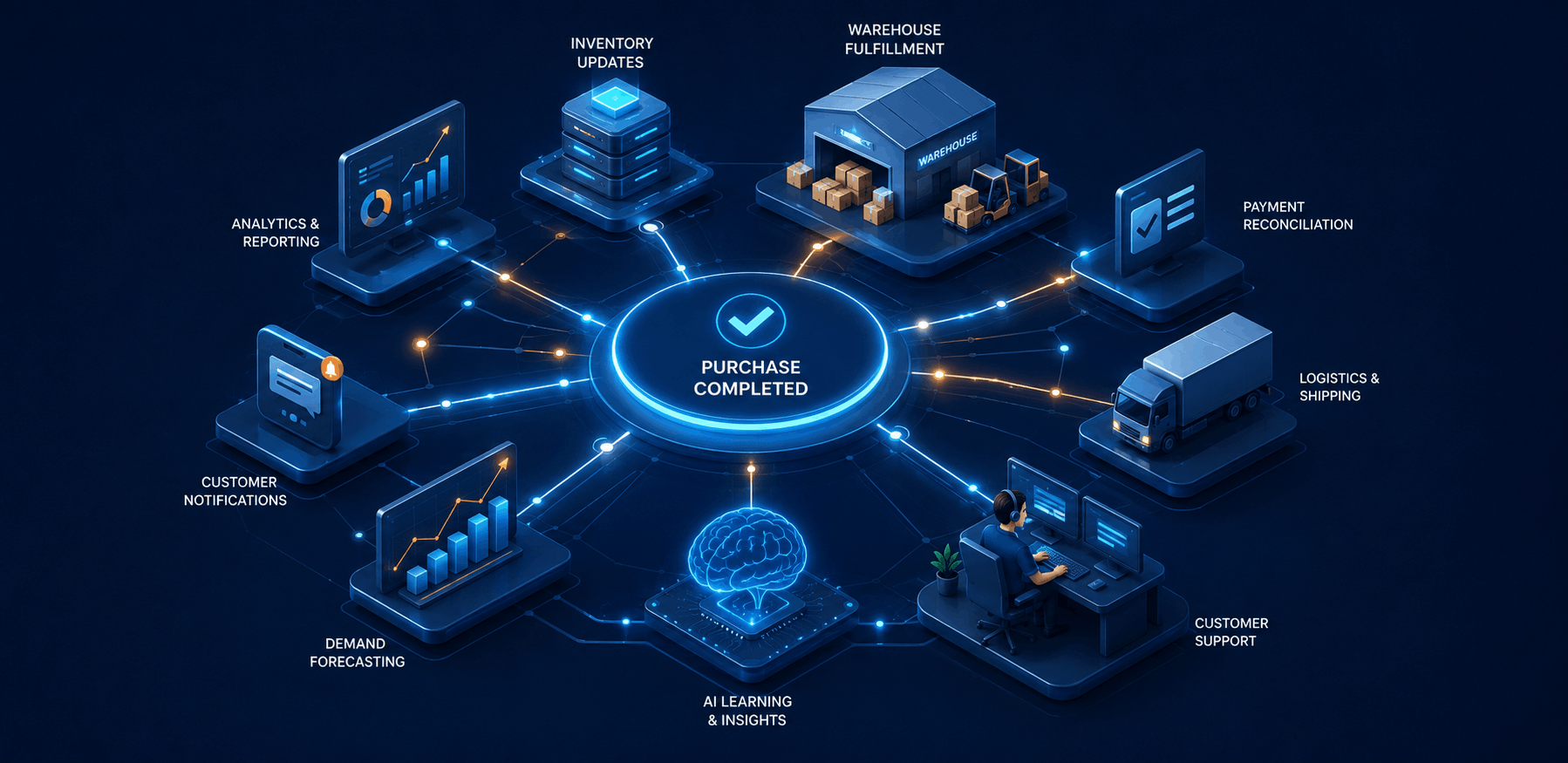
For modern retailers, the transaction is not the end of commerce- it is the beginning of intelligence. The moment a payment is completed, an entirely new set of decisions begins.
Should inventory be rebalanced?
Can replenishment be predicted before shelves become empty?
Is the purchase part of an emerging trend?
Should customer support proactively engage?
Is fraud still possible after payment?
Can future promotions become more relevant?
The organizations that answer these questions faster and more accurately will outperform those that focus exclusively on conversion rates.
Retail AI is not simply about helping customers buy.
It is about helping retailers learn from every purchase and continuously improve every operation that follows.
Retail metrics traditionally revolve around conversion.
Traffic.
Cart abandonment.
Average order value.
Payment success.
These are valuable indicators. But they represent only a small portion of the retail lifecycle.
The customer has completed a purchase. The retailer’s work is just beginning.
Inventory must update. Warehouses receive fulfillment instructions.
Shipping partners begin logistics. Customer communication starts.
Returns become possible. Support interactions may occur.
Loyalty systems update. Recommendation engines learn.
The purchase creates an operational ripple across the business.
Checkout ends the transaction- But It begins the workflow.
Retailers often treat orders as financial records. They are much more than that.
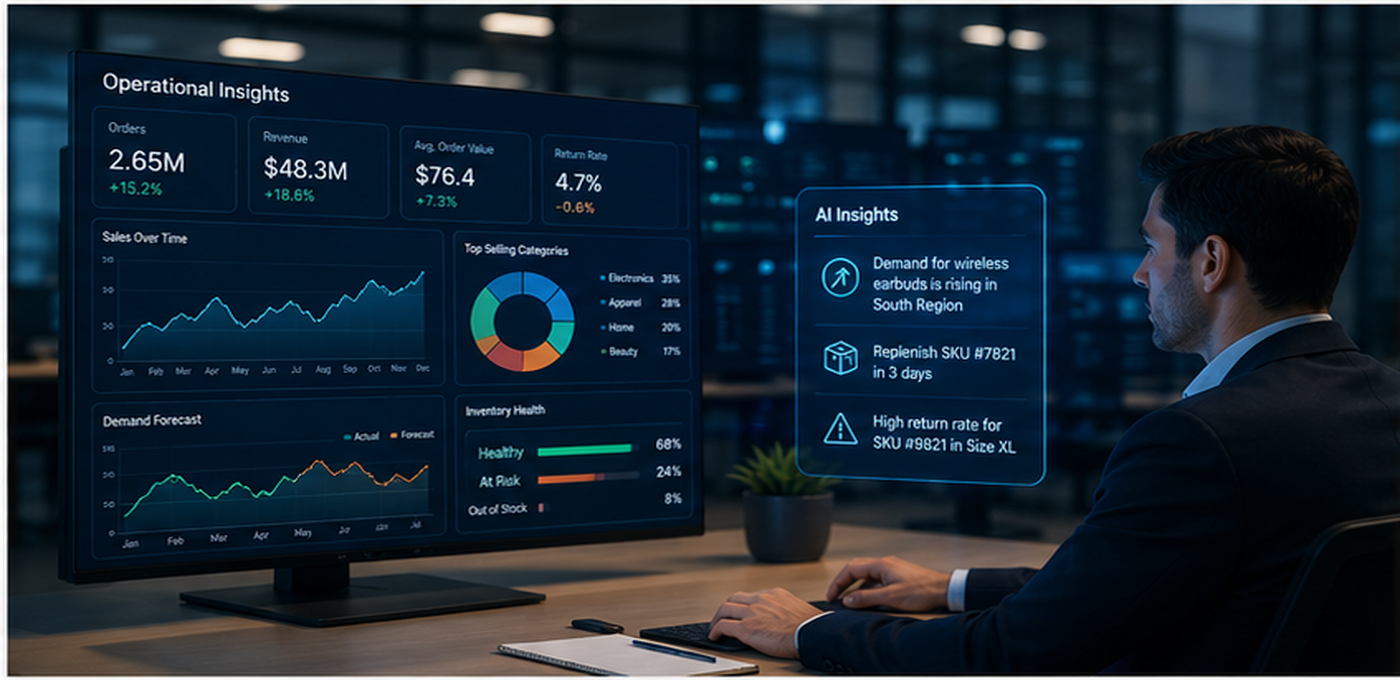
Every completed purchase answers questions.
What products are trending?
Which promotions influenced behavior?
Which payment methods customers trust?
Which fulfillment centers are performing well?
Where are inventory forecasts inaccurate?
What combinations of products frequently appear together?
One transaction is interesting. Millions of transactions reveal operational patterns.
AI transforms those patterns into decisions.
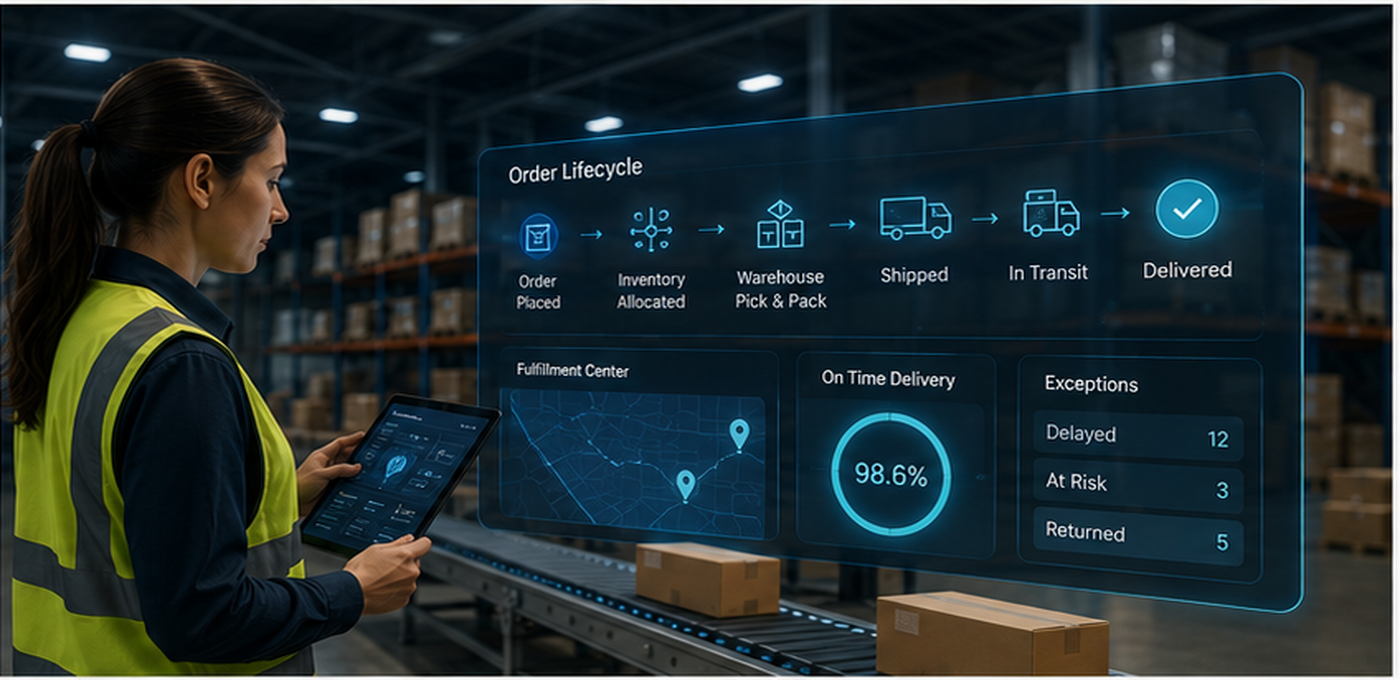
Customers experience one event.
The retailer experiences dozens.
A single order triggers:
None of these are customer-facing.
Yet every one influences future customer experience.
This is why intelligent retailers think in workflows rather than transactions.
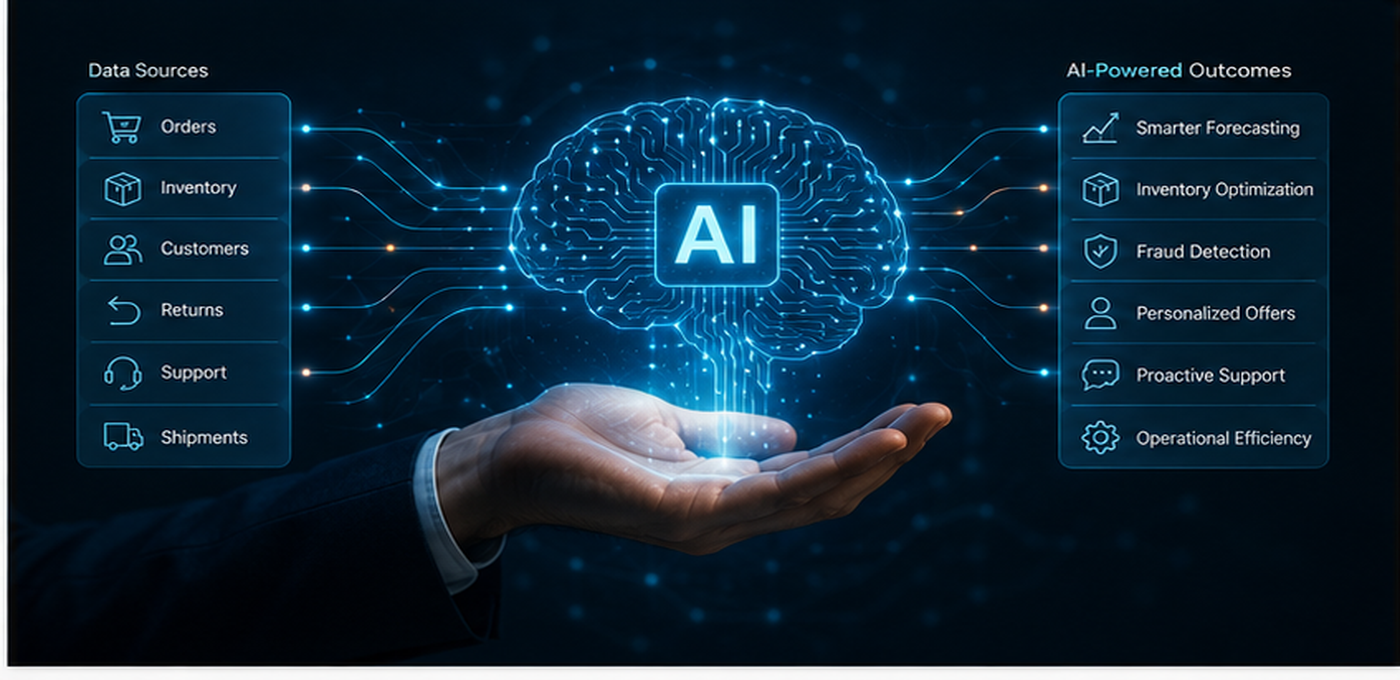
Many AI investments focus on increasing sales.
Recommendation engines. Search optimization.
Dynamic pricing. Personalization.
These are valuable capabilities.
However, post-purchase intelligence often delivers greater long-term value.
AI can detect fulfillment delays before customers complain. Predict likely returns.
Recommend replenishment. Identify inventory anomalies.
Optimize warehouse routing. Improve delivery promises.
Detect operational bottlenecks. Support customer service with complete order context.
These improvements rarely appear in marketing campaigns.
Customers notice them anyway.
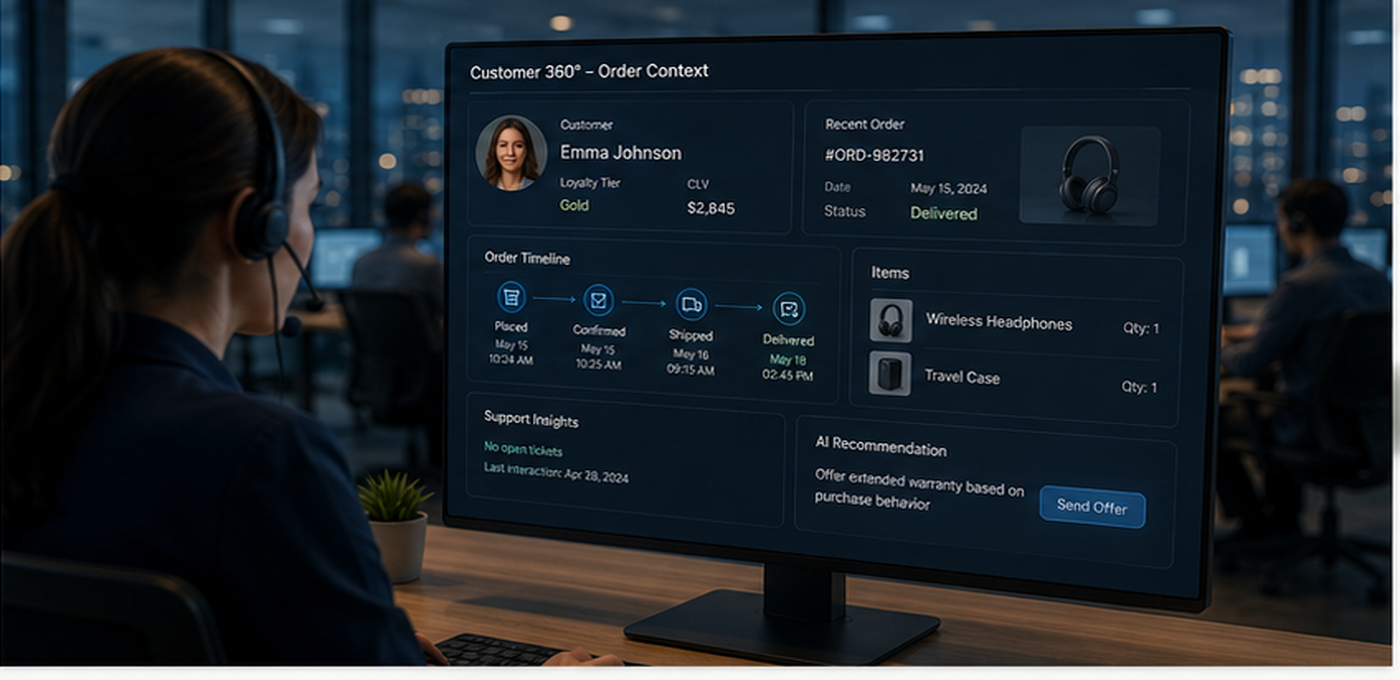
The payment gateway confirms authorization.
Commerce continues.
Returns. Subscriptions. Warranty claims.
Repeat purchases. Customer lifetime value. Loyalty.
Service. Operational optimization.
Retail relationships are built after checkout, not before it.
Organizations that recognize this begin engineering the entire customer lifecycle instead of optimizing isolated transactions.
At Prologic Technologies, we view every completed order as the beginning of a connected operational workflow. An order should automatically enrich inventory intelligence.
Improve demand forecasting. Update customer understanding.
Trigger supply chain decisions. Strengthen fraud detection.
Support future recommendations. Enable better service.
This requires far more than AI. It requires connected systems where every operational event becomes a useful context for the next decision.
Retail intelligence grows after checkout because that is when the business learns what actually happened.
Before purchase, retailers predict.
After purchase, they know.
Prediction becomes evidence. Clicks become orders.
Interest becomes commitment. Browsing becomes behavior.
This transition from intention to outcome creates the highest quality data available in retail.
AI systems improve when they learn from confirmed outcomes rather than assumptions.
The completed transaction is therefore one of the richest sources of business intelligence.
After every purchase, ask:
If the answer is “nothing,” the retailer collected revenue but lost intelligence.
Retail has spent years making checkout faster. The next decade will focus on making every completed purchase more valuable.
Not simply financially- Operationally, Strategically, Intelligently.
Every order tells a story.
The organizations that listen carefully will build stronger supply chains, happier customers, more resilient operations and better businesses.
Commerce does not become intelligent because payment succeeds.
It becomes intelligent because every payment teaches the business something new.
Why the Future of Retail Depends on Decisions, Not Channels Executive Summary For the past two decades, retailers have pursued digital trans...
Why retailers should stop treating the cart as the problem There is a familiar conversation in eCommerce. The conversion rate has dropped. T...
Why the Future of Retail Depends Less on Stock Counts and More on Intelligent Decisions Executive Summary For decades, inventory management...
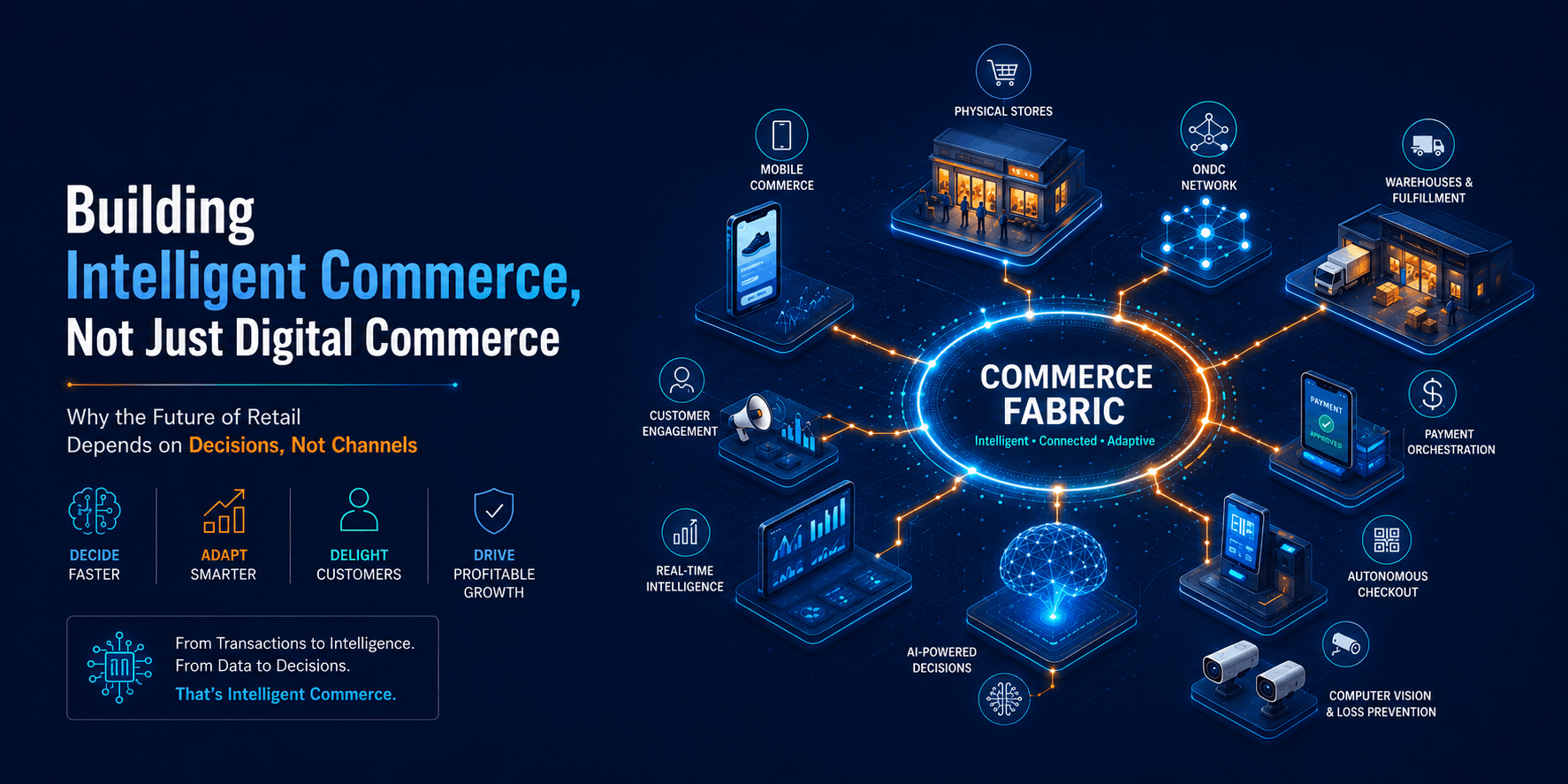
Building Intelligent Commerce, Not Just Digital Commerce
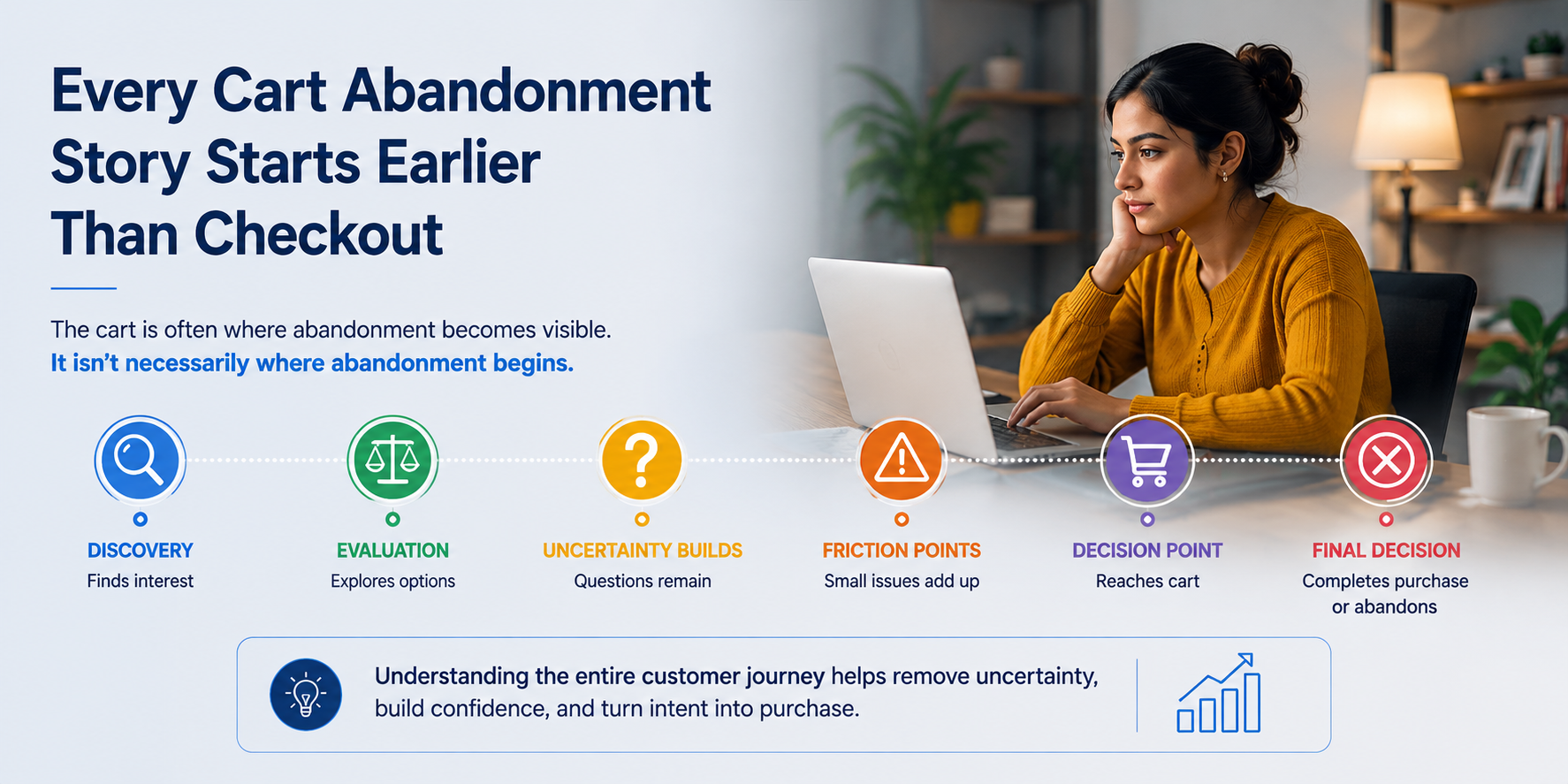
Every Cart Abandonment Story Starts Earlier Than Checkout
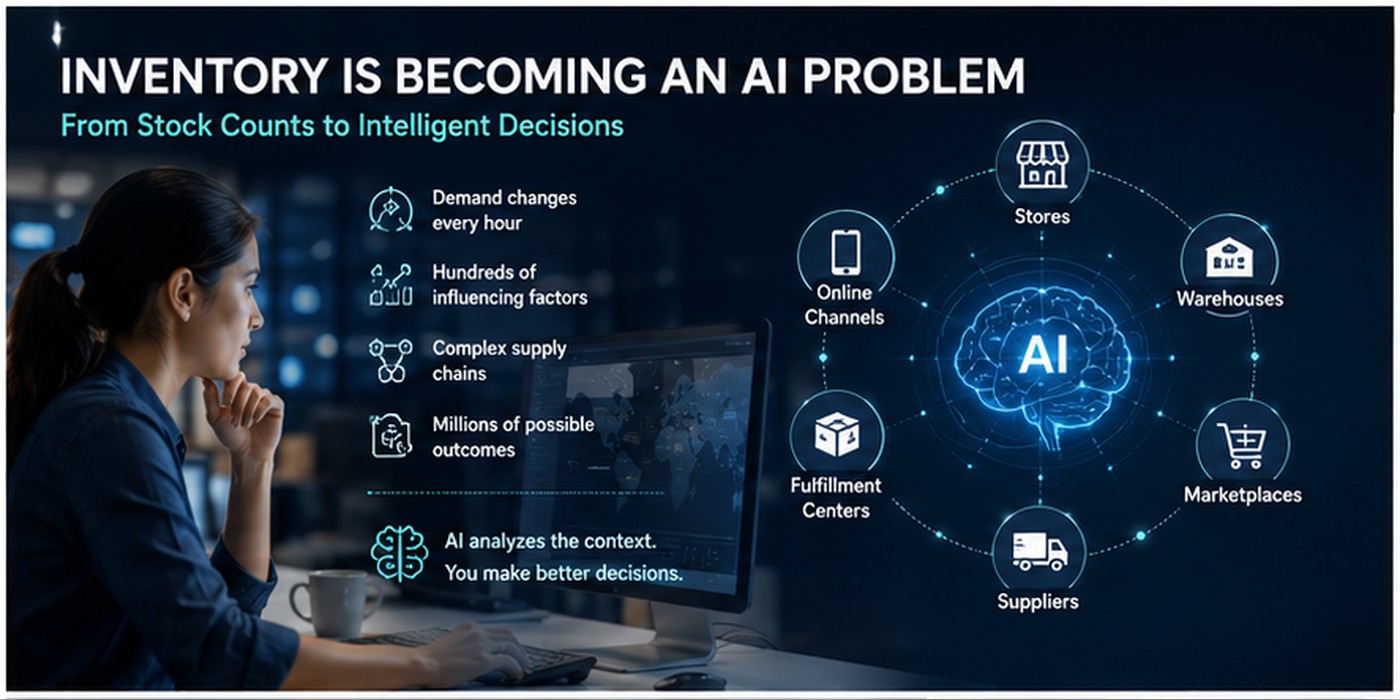
Inventory Is Becoming an AI Problem
